-
 Finns i lager
Beräknad leveranstid: 2-5 arbetsdagar
Delsumma: 185,66 €

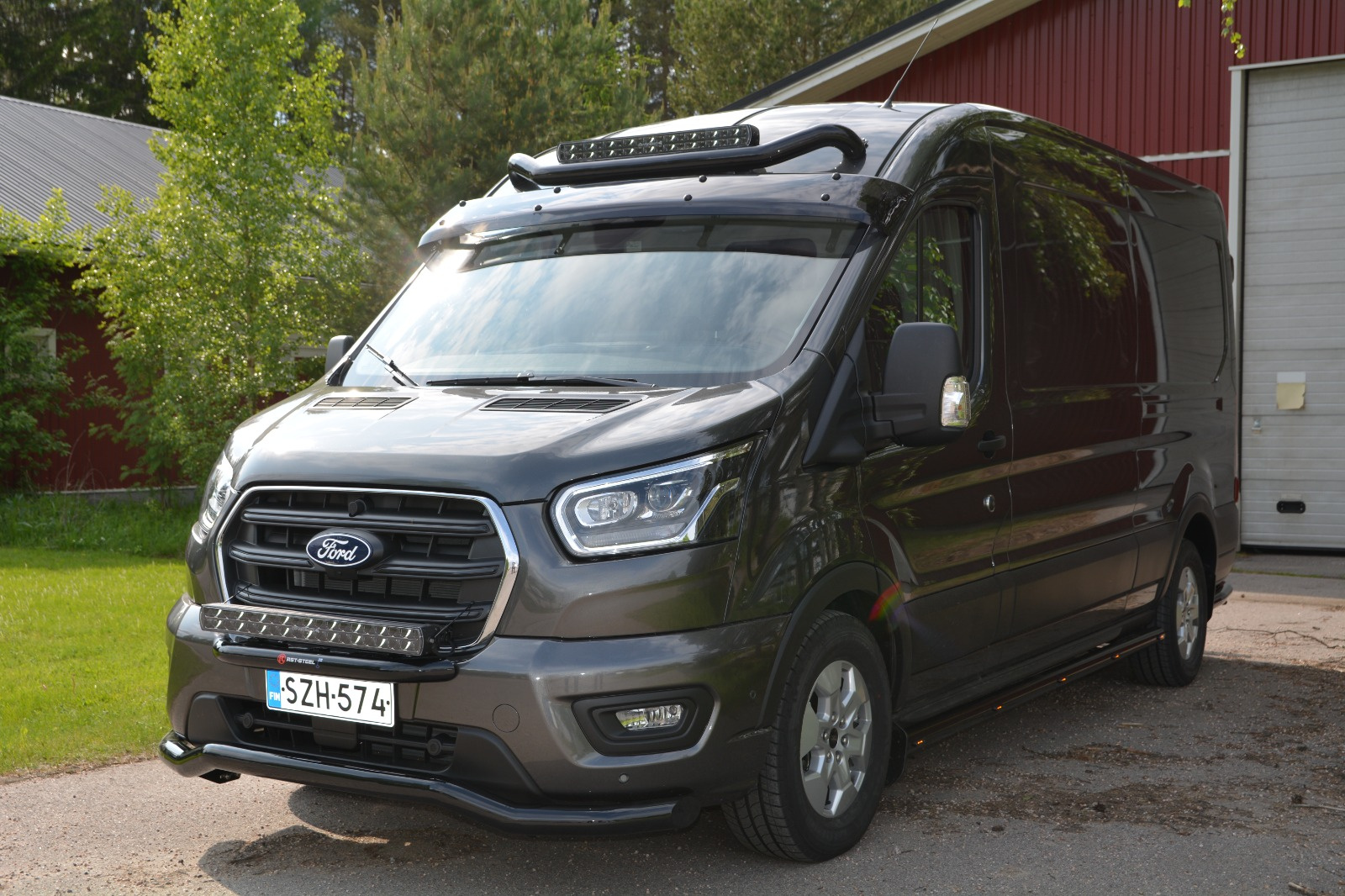
Yes, investing in auxiliary lights is worthwhile for taxi drivers who work in low-light conditions. Auxiliary lights significantly improve visibility and safety, allowing drivers to operate confidently during early morning, evening, and night shifts. They enhance passenger confidence, reduce accident risk, and can increase earning potential by safely extending operational hours.
Auxiliary lights are supplementary lighting systems installed on vehicles to provide enhanced illumination beyond standard headlights. These professional-grade lighting solutions include fog lights, driving lights, and work lights designed to improve visibility in challenging conditions.
Professional drivers, particularly taxi drivers, face unique lighting challenges throughout their shifts. Standard vehicle headlights often prove insufficient at dawn, at dusk, or during heavy rain or fog. Auxiliary lights fill critical visibility gaps that standard lighting cannot address effectively.
For taxi drivers specifically, auxiliary lights provide essential benefits during passenger pickup and drop-off situations. They illuminate kerbside areas, help passengers identify the correct vehicle, and create a more professional appearance. The enhanced visibility also improves safety when navigating unfamiliar routes or poorly lit areas during night shifts.
Auxiliary lights directly improve safety by providing superior road illumination, reducing accident risk by up to 50% during low-light driving conditions. They enable earlier hazard detection, improve reaction times, and enhance overall driving confidence during challenging weather or lighting situations.
These safety improvements translate into tangible earning benefits for professional drivers. Enhanced visibility allows taxi drivers to operate safely during extended hours, including early morning and late evening shifts when demand often peaks. Passengers feel more secure entering well-lit vehicles, leading to better service ratings and repeat bookings.
Auxiliary lights also reduce insurance risks and potential accident-related costs. Professional drivers with superior lighting equipment demonstrate a commitment to safety, which can positively impact insurance premiums and professional reputation. The improved visibility helps drivers navigate efficiently to destinations, reducing fuel consumption and increasing the number of completed trips per shift.
Auxiliary lights vary significantly in performance, durability, and price across different categories. Budget options like Optibeam provide basic functionality, mid-range brands like Purelux and OZZ offer balanced performance, while premium options like Lazer Lamps deliver professional-grade quality and longevity.
Optibeam represents the budget-friendly category, offering cost-effective lighting solutions suitable for occasional use. These lights provide adequate illumination for basic needs but may have shorter lifespans and lower light output compared with premium alternatives.
Purelux and OZZ occupy the mid-range segment, delivering excellent value for professional drivers. These brands offer improved build quality, better weather resistance, and enhanced light output while remaining accessible for most budgets. They provide reliable performance for regular professional use.
Lazer Lamps represents the premium category, offering superior build quality, maximum light output, and exceptional durability. These professional-grade lights feature advanced LED technology, robust construction, and extended warranties. They are designed for intensive commercial use and deliver consistent performance in demanding conditions.
Taxi drivers should budget £200–£800 for quality auxiliary lighting systems, including installation costs. The investment depends on operational requirements, with budget options starting at around £200, mid-range systems costing £400–£600, and premium installations reaching £800 or more.
The cost–benefit analysis favours investment in auxiliary lights for professional drivers. Quality lighting systems typically pay for themselves within 6–12 months through improved safety, extended operational hours, and enhanced service quality. The initial investment protects against potential accident costs while enabling increased earning opportunities.
Installation costs vary depending on system complexity and vehicle type. Professional installation ensures optimal performance and maintains vehicle warranties. Consider long-term durability when making investment decisions: premium systems may cost more initially but offer better value through extended lifespans and superior performance.
For professional taxi drivers who are serious about safety and service quality, we recommend consulting lighting specialists to determine the most suitable auxiliary lighting solution. Quality equipment combined with professional installation creates a foundation for safer, more profitable operations while demonstrating a clear commitment to passenger safety and comfort.
Yes — truck sun visors adjust in multiple ways. Here’s what every professional driver should know.
Protect your truck and improve safety with the right cabin exterior accessories for professional drivers.
Poor cabin ergonomics silently drains driver alertness — discover which interior accessories make the biggest difference on long hauls.
Not all seat covers handle daily cab life. Find out which materials and features truly meet professional standards.
Not all truck light bars are equal — discover which specs, beam patterns, and ratings truly deliver on the job.
Work light bars are illegal on EU public roads — here’s what every professional truck driver must know.
Damaged front spoiler bar? Discover repair methods, assessment tips, and when replacement beats repair costs.
Not all front spoiler bars survive real-world punishment — material grade, weld quality, and bracket engineering make all the difference.
Front spoiler bars do more than manage airflow — discover their real aerodynamic impact and practical benefits for truck drivers.
Damaged truck wheel covers risk costly rim repairs and road safety hazards — here’s exactly when to replace them.
Brake dust, road salt, wrong cleaner — discover the step-by-step wheel cover cleaning routine that protects your rims long-term.
LED vs halogen, beam patterns, and key specs — find the best roof bar lights for professional trucks.
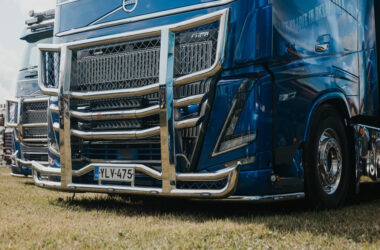
Discover which stainless steel front bars fit major European truck models — and how to choose the right one.
Master professional truck cabin cleaning with the right tools, techniques, and schedules every driver needs.
Discover how the right truck cabin lighting reduces driver fatigue and transforms your cab into a productive workspace.
Protect your truck’s front bumper in city traffic — discover which front spoiler bars handle urban hazards best.
Discover how front spoiler bars shield truck bumpers from real-world hazards — reducing costly downtime and repair bills.
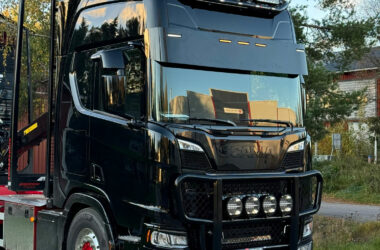
Bull bars aren’t mandatory on trucks — but here’s why professional drivers treat them as essential.
Vardagar 9:00-17:00
+358 400 890 813Savenvalajantie 4, 85500 Nivala
Haikanvuori 3, 33960 Pirkkala
Zatelliitintie 15 B, 90440 Uleåborg
sales@rst-steel.fi

Beräknad leveranstid: 2-5 arbetsdagar
 Swedish
  English
  Norwegian