
-
 Finns i lager
Beräknad leveranstid: 2-5 arbetsdagar
-

Lazer ST12 EVOLUTION, Black
SKU: RSTLZ0017
1 × 576,89 €
Finns i lagerBeräknad leveranstid: 2-5 arbetsdagar
-

Lazer AIR-55 (With Beacon)
SKU: 0A55-STRB-B
1 × 443,82 €
Finns i lagerBeräknad leveranstid: 2-5 arbetsdagar
-
 Finns i lager
Beräknad leveranstid: 2-5 arbetsdagar
-

Lazer Triple-R 850
SKU: RSTLZ0002STD
1 × 350,60 €
Finns i lagerBeräknad leveranstid: 2-5 arbetsdagar
-
 Finns i lager
Beräknad leveranstid: 2-5 arbetsdagar
-

Bull Bar Lite Mercedes-Benz Actros L (2,3m)
SKU: MB0115A
1 × 2653,39 €
BeställningsproduktBeräknad leveranstid: 10-30 arbetsdagar
-

Lazer Utility-25 MAXX
SKU: RSTLZ0130
1 × 129,08 €
Finns i lagerBeräknad leveranstid: 2-5 arbetsdagar
-

Wheel Covers 22,5"× 9" open center
SKU: PK22501
1 × 250,20 €
Finns i lagerBeräknad leveranstid: 2-5 arbetsdagar
-

Lazer Triple-R 1000 with Beacon
SKU: RSTLZ0003STDF
4 × 544,22 €
Finns i lagerBeräknad leveranstid: 2-5 arbetsdagar
-
 Finns i lager
Beräknad leveranstid: 2-5 arbetsdagar
-

Lazer Linear 48 Elite
SKU: LZ6019-0005
1 × 1354,58 €
Finns i lagerBeräknad leveranstid: 2-5 arbetsdagar
-

Rear Bar Caterpillar NextGen 330
SKU: TCA209C
1 × 1443,03 €
BeställningsproduktBeräknad leveranstid: 10-30 arbetsdagar
-
 Beställningsprodukt
Beräknad leveranstid: 10-30 arbetsdagar
-

Top Grille Volvo FH Aero
SKU: 1090-0007
1 × 940,24 €
BeställningsproduktBeräknad leveranstid: 10-30 arbetsdagar
-

Wheel Covers 22,5" open center
SKU: PK22508
1 × 121,12 €
Finns i lagerBeräknad leveranstid: 2-5 arbetsdagar


How does an auxiliary light help when driving in the dark?
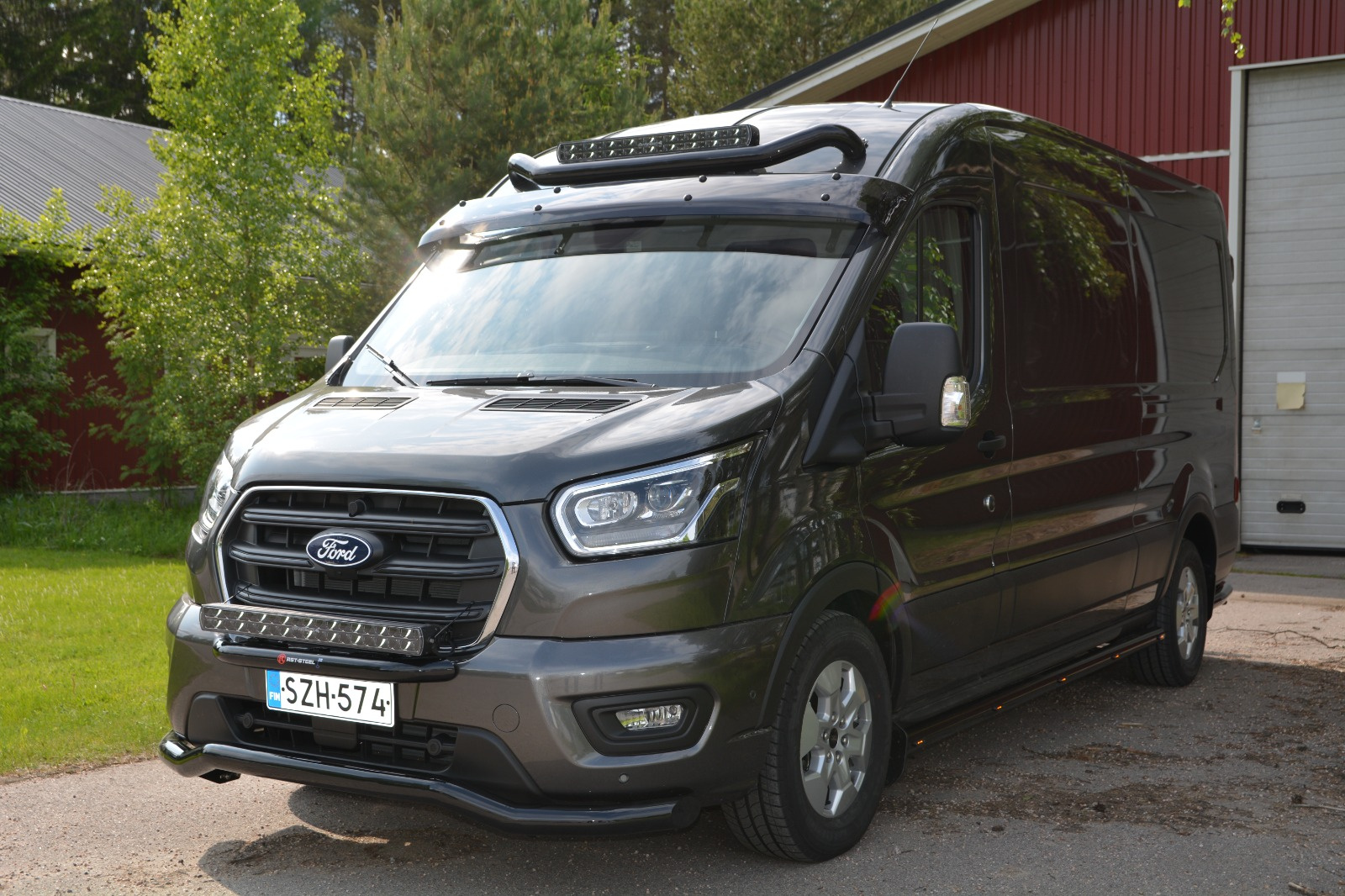
Auxiliary lights significantly enhance night driving safety by extending your visibility range beyond standard headlights and improving your ability to spot hazards earlier. These additional lighting systems illuminate the road further ahead and to the sides, giving drivers crucial extra seconds to react to obstacles, wildlife, or changing road conditions in dark environments.
What are auxiliary lights and how do they improve night driving safety?
Auxiliary lights are supplementary lighting systems mounted on vehicles to provide additional illumination beyond standard headlights. These lights typically include LED spotlights, floodlights, and work lights that extend visibility range and improve peripheral lighting coverage during night driving.
The primary safety benefit comes from enhanced reaction time. Standard headlights typically illuminate 50–100 metres ahead, while quality auxiliary lights can extend this range to 200–400 metres depending on the system. This extended visibility gives drivers additional seconds to identify and respond to potential hazards.
Auxiliary lighting systems also reduce driver fatigue by minimising eye strain. The improved illumination allows your eyes to work less intensively, maintaining better focus during extended night driving periods. This is particularly beneficial for professional drivers who spend considerable time on the road after dark.
Modern LED auxiliary lights offer superior light quality compared to traditional halogen systems. They produce whiter, more natural light that better reveals road surface conditions, lane markings, and potential obstacles. The improved colour rendering helps drivers distinguish between different objects and surfaces more effectively.
How do different types of auxiliary lights perform in various driving conditions?
LED spotlights excel at long-distance illumination, projecting focused beams 300–500 metres ahead, making them ideal for highway driving and open-road conditions. Floodlights provide wide-angle coverage, perfect for off-road environments, work sites, and situations requiring broad area lighting.
Spotlights typically produce narrow beam patterns between 8–15 degrees, concentrating light output for maximum distance penetration. This makes them excellent for identifying distant hazards on straight roads but less effective for illuminating corners or wide areas.
Floodlights offer beam patterns between 60–120 degrees, providing excellent peripheral vision enhancement. They are particularly valuable for off-road driving, construction work, and situations where you need to see what is happening to the sides of your vehicle.
Combination beam lights merge both technologies, offering a central spot beam surrounded by flood lighting. This design provides both distance and width coverage, making them versatile for mixed driving conditions. Many professional drivers prefer this approach for its adaptability across different environments.
Light output measurements matter significantly. Quality auxiliary lights produce 3,000–8,000 lumens per light, with premium systems reaching even higher outputs. However, proper beam pattern and light distribution often matter more than raw lumen numbers for practical driving applications.
What should professional drivers consider when choosing auxiliary lighting systems?
Power consumption, mounting compatibility, and durability ratings are crucial factors for professional drivers selecting auxiliary lighting systems. Consider your vehicle’s electrical capacity, installation requirements, and the environmental conditions your lights will face regularly.
Power draw varies significantly between different light technologies and sizes. LED systems typically consume 20–80 watts per light, while older halogen systems may require 100–200 watts. Calculate total power requirements to ensure your vehicle’s alternator and electrical system can handle the additional load without issues.
Mounting options include roof bars, bull bars, bumper mounts, and grille installations. Consider your vehicle type, intended use, and local regulations when selecting mounting positions. Some mounting locations may affect vehicle aerodynamics or require additional structural support.
Durability ratings become critical for professional use. Look for lights with IP67 or IP68 waterproof ratings, vibration resistance, and operating temperature ranges suitable for your climate. Quality lights should withstand harsh weather conditions, road vibrations, and regular use without performance degradation.
Cost–benefit analysis varies across price segments. Premium systems offer superior build quality, longer warranties, and better performance but require higher initial investment. Mid-range options often provide excellent value for most professional applications, while budget systems suit occasional-use scenarios.
Which auxiliary light brands offer the best value for different budgets and needs?
Lazer Lamps represents the premium segment with exceptional build quality and performance, while Purelux and OZZ offer excellent mid-range value, and Optibeam provides cost-effective solutions for budget-conscious buyers seeking reliable auxiliary lighting.
Lazer Lamps delivers professional-grade performance with advanced optical design, superior build quality, and comprehensive warranty coverage. These lights excel in demanding professional applications where maximum performance and reliability are essential. The higher investment pays off through longer service life and superior light output.
Purelux and OZZ occupy the middle ground, offering solid performance and good build quality at reasonable prices. These brands provide reliable operation for most professional and enthusiast applications without the premium price tag. They represent excellent value for drivers seeking quality without maximum expense.
Optibeam focuses on cost-effectiveness while maintaining acceptable quality standards. These lights suit budget-conscious buyers, occasional users, and applications where basic auxiliary lighting enhancement is needed without significant investment. They provide good entry-level performance for basic night driving improvement.
When selecting auxiliary lights, consider your specific requirements, usage patterns, and budget constraints. Professional drivers with demanding schedules benefit from premium systems, while occasional users may find mid-range or budget options perfectly adequate for their needs.
For expert guidance on selecting the right auxiliary lighting system for your vehicle and driving requirements, our team at RST-Steel can help you choose from our comprehensive range of Lazer, Purelux, OZZ, and Optibeam solutions. We provide complete installation services to ensure your auxiliary lights deliver optimal performance and safety benefits for your specific driving needs. Contact our team today for personalised advice and professional installation support.

 Swedish
  English
  Norwegian