-

Lazer Linear 6 Elite+
SKU: LZ6019-0007
1 × 310,76 €
Finns i lagerBeräknad leveranstid: 2-5 arbetsdagar
Delsumma: 310,76 €

SKU: LZ6019-0007
1 × 310,76 €
Beräknad leveranstid: 2-5 arbetsdagar
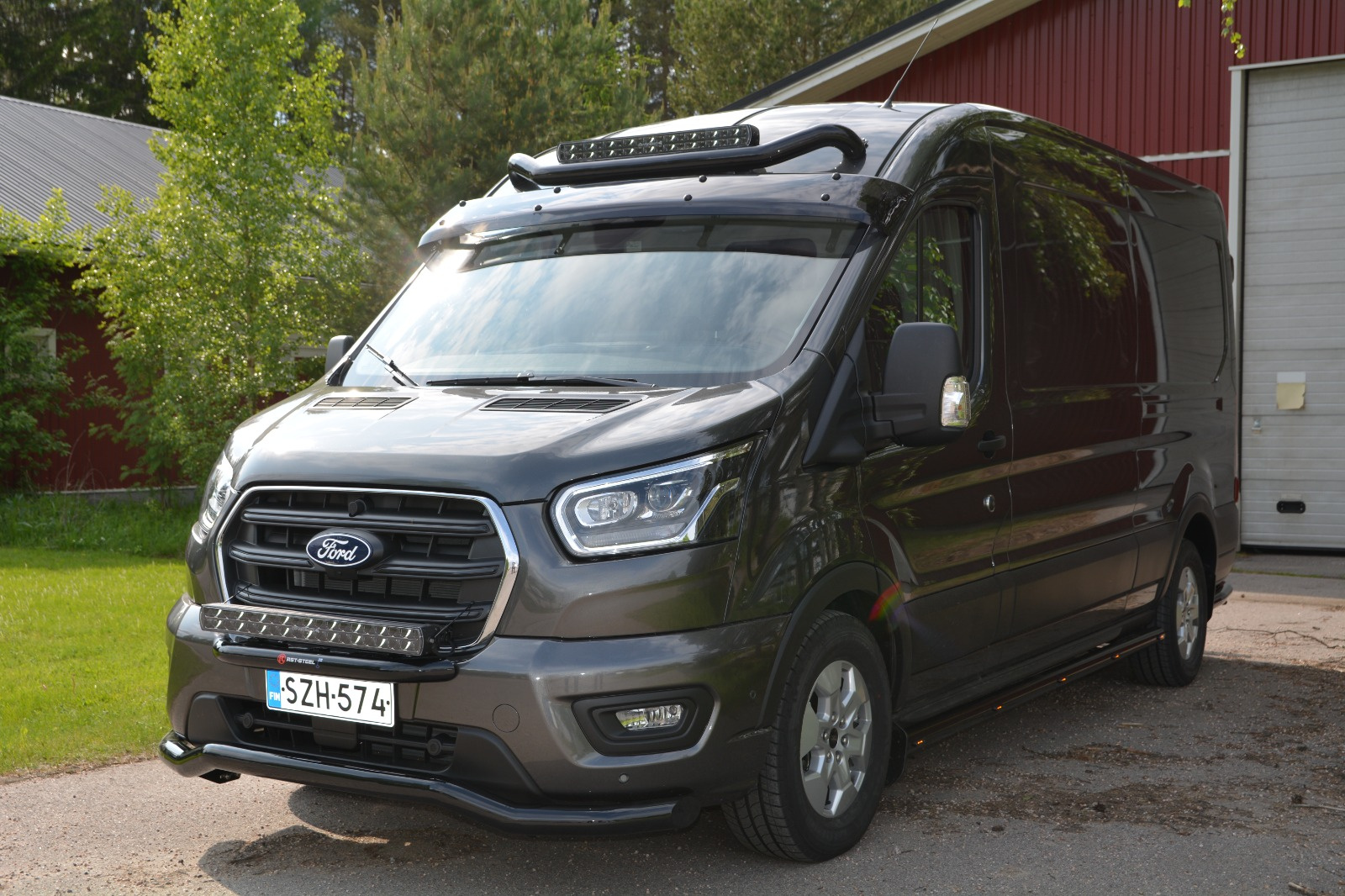
In Nordic countries, vehicle auxiliary light installation limits vary by nation but generally allow two to four additional forward-facing lights beyond standard headlights. Finland permits up to two auxiliary driving lights, while Sweden and Norway allow similar configurations with specific mounting and technical requirements. Denmark follows EU regulations with comparable restrictions. Professional installation ensures compliance with local vehicle lighting laws and safety standards.
Auxiliary lights are supplementary vehicle lighting systems that enhance visibility beyond standard headlights and fog lights. These additional lighting solutions include driving lights, work lights, light bars, and spotlights designed to improve illumination in challenging conditions.
Nordic driving conditions make auxiliary lights particularly valuable due to extended winter darkness, harsh weather, and demanding terrain. During the winter months, daylight hours decrease dramatically, with some regions experiencing only four to six hours of natural light per day. Professional drivers, outdoor enthusiasts, and commercial vehicle operators benefit significantly from enhanced visibility.
Key advantages include improved road surface visibility, better detection of wildlife and obstacles, enhanced safety during snow and fog conditions, and superior illumination for work applications. Modern auxiliary lighting systems provide focused beam patterns that complement existing vehicle lighting without causing glare for oncoming traffic.
Quality auxiliary lights also support professional activities such as forestry, construction, and emergency services, where adequate illumination is critical for safety and productivity. Investment in proper auxiliary lighting is often essential for Nordic vehicle operators who regularly navigate challenging conditions.
Nordic vehicle lighting regulations in Finland allow up to two auxiliary driving lights mounted forward-facing, while Sweden permits similar configurations under specific technical requirements. Norway follows comparable limits with two additional forward-facing lights, and Denmark adheres to EU standards allowing equivalent installations.
Finland’s vehicle lighting standards specify that auxiliary lights must be mounted symmetrically and activated only with high beams. The lights require proper ECE certification and cannot exceed specified brightness levels. Sweden mandates that auxiliary lights be positioned below headlight level and include automatic activation systems.
Norway’s auxiliary light mounting regulations require professional installation with proper electrical connections and beam pattern compliance. Additional work lights for stationary use are subject to different regulations, typically allowing more flexibility for commercial applications.
Denmark follows EU directive requirements, permitting two auxiliary driving lights with appropriate certification. All Nordic countries require auxiliary lights to meet ECE R112 or equivalent standards, ensuring beam patterns do not create dangerous glare conditions.
Commercial vehicles often qualify for additional work lighting exemptions when used for specific professional applications, although these lights typically cannot be operated while driving on public roads.
Premium auxiliary lights such as Lazer Lamps offer superior performance through advanced LED technology, precision optics, and robust construction designed for extreme Nordic conditions. These lights provide exceptional beam quality, longer lifespans, and comprehensive warranties.
Lazer Lamps represent the premium category with cutting-edge LED arrays, sophisticated thermal management, and precision-engineered reflectors. These lights deliver outstanding light output with minimal power consumption, making them ideal for professional applications and demanding users who require maximum performance.
Mid-range options, including Purelux and OZZ, provide excellent value by combining reliable performance with reasonable pricing. These lights offer solid construction, good beam patterns, and adequate durability for regular use without premium pricing.
Budget-friendly Optibeam solutions cater to cost-conscious consumers seeking basic auxiliary lighting functionality. While offering lower light output and simpler construction, these lights provide practical illumination enhancements for occasional use and standard driving conditions.
Performance characteristics vary significantly between categories. Premium lights typically offer 3,000–6,000 lumens of output with precise beam control, while budget options provide 1,000–2,000 lumens with more basic beam patterns. Durability differences include premium lights lasting 30,000+ hours versus budget lights averaging 10,000–15,000 hours of operation.
Proper auxiliary light installation requires adherence to mounting specifications, electrical standards, and beam pattern requirements established by Nordic vehicle lighting laws. Professional installation ensures compliance while maintaining vehicle warranty and insurance coverage.
Technical requirements include mounting lights in approved positions, typically below headlight level and symmetrically positioned. Electrical connections must use correctly sized wiring, appropriate fuses, and relay systems to prevent electrical issues. Beam patterns must be adjusted to avoid glare while maximizing useful illumination.
Professional installation provides several advantages, including proper mounting bracket selection, correct electrical integration, accurate beam alignment, and compliance documentation. Experienced installers understand local regulations and ensure installations meet inspection requirements.
Safety considerations encompass both installation quality and operational compliance. Proper mounting prevents vibration damage and ensures lights remain secure during vehicle operation. Correct electrical installation prevents fire hazards and damage to the vehicle’s electrical system.
DIY installations require careful attention to manufacturer specifications, local regulations, and electrical safety practices. However, professional installation typically provides better results, with warranty protection and assurance of regulatory compliance.
For expert auxiliary light installation and compliance with Nordic driving light rules, professional consultation ensures optimal performance while meeting all legal requirements. Quality installation maximizes lighting effectiveness while maintaining vehicle safety standards.
Vardagar 9:00-17:00
+358 400 890 813Savenvalajantie 4, 85500 Nivala
Haikanvuori 3, 33960 Pirkkala
Zatelliitintie 15 B, 90440 Uleåborg
sales@rst-steel.fi
SKU: LZ6019-0007
1 × 310,76 €
Beräknad leveranstid: 2-5 arbetsdagar
 Swedish
  English
  Norwegian