
-
 Finns i lager
Beräknad leveranstid: 2-5 arbetsdagar
-

Lazer ST12 EVOLUTION, Black
SKU: RSTLZ0017
1 × 576,89 €
Finns i lagerBeräknad leveranstid: 2-5 arbetsdagar
-

Lazer AIR-55 (With Beacon)
SKU: 0A55-STRB-B
1 × 443,82 €
Finns i lagerBeräknad leveranstid: 2-5 arbetsdagar
-
 Finns i lager
Beräknad leveranstid: 2-5 arbetsdagar
-

Lazer Triple-R 850
SKU: RSTLZ0002STD
1 × 350,60 €
Finns i lagerBeräknad leveranstid: 2-5 arbetsdagar
-
 Finns i lager
Beräknad leveranstid: 2-5 arbetsdagar
-

Bull Bar Lite Mercedes-Benz Actros L (2,3m)
SKU: MB0115A
1 × 2653,39 €
BeställningsproduktBeräknad leveranstid: 10-30 arbetsdagar
-

Lazer Utility-25 MAXX
SKU: RSTLZ0130
1 × 129,08 €
Finns i lagerBeräknad leveranstid: 2-5 arbetsdagar
-

Wheel Covers 22,5"× 9" open center
SKU: PK22501
1 × 250,20 €
Finns i lagerBeräknad leveranstid: 2-5 arbetsdagar
-

Lazer Triple-R 1000 with Beacon
SKU: RSTLZ0003STDF
4 × 544,22 €
Finns i lagerBeräknad leveranstid: 2-5 arbetsdagar
-
 Finns i lager
Beräknad leveranstid: 2-5 arbetsdagar
-

Lazer Linear 48 Elite
SKU: LZ6019-0005
1 × 1354,58 €
Finns i lagerBeräknad leveranstid: 2-5 arbetsdagar
-

Rear Bar Caterpillar NextGen 330
SKU: TCA209C
1 × 1443,03 €
BeställningsproduktBeräknad leveranstid: 10-30 arbetsdagar
-
 Beställningsprodukt
Beräknad leveranstid: 10-30 arbetsdagar
-

Top Grille Volvo FH Aero
SKU: 1090-0007
1 × 940,24 €
BeställningsproduktBeräknad leveranstid: 10-30 arbetsdagar
-

Wheel Covers 22,5" open center
SKU: PK22508
1 × 121,12 €
Finns i lagerBeräknad leveranstid: 2-5 arbetsdagar


Linear series beam pattern – what advantages does it offer for highway driving?
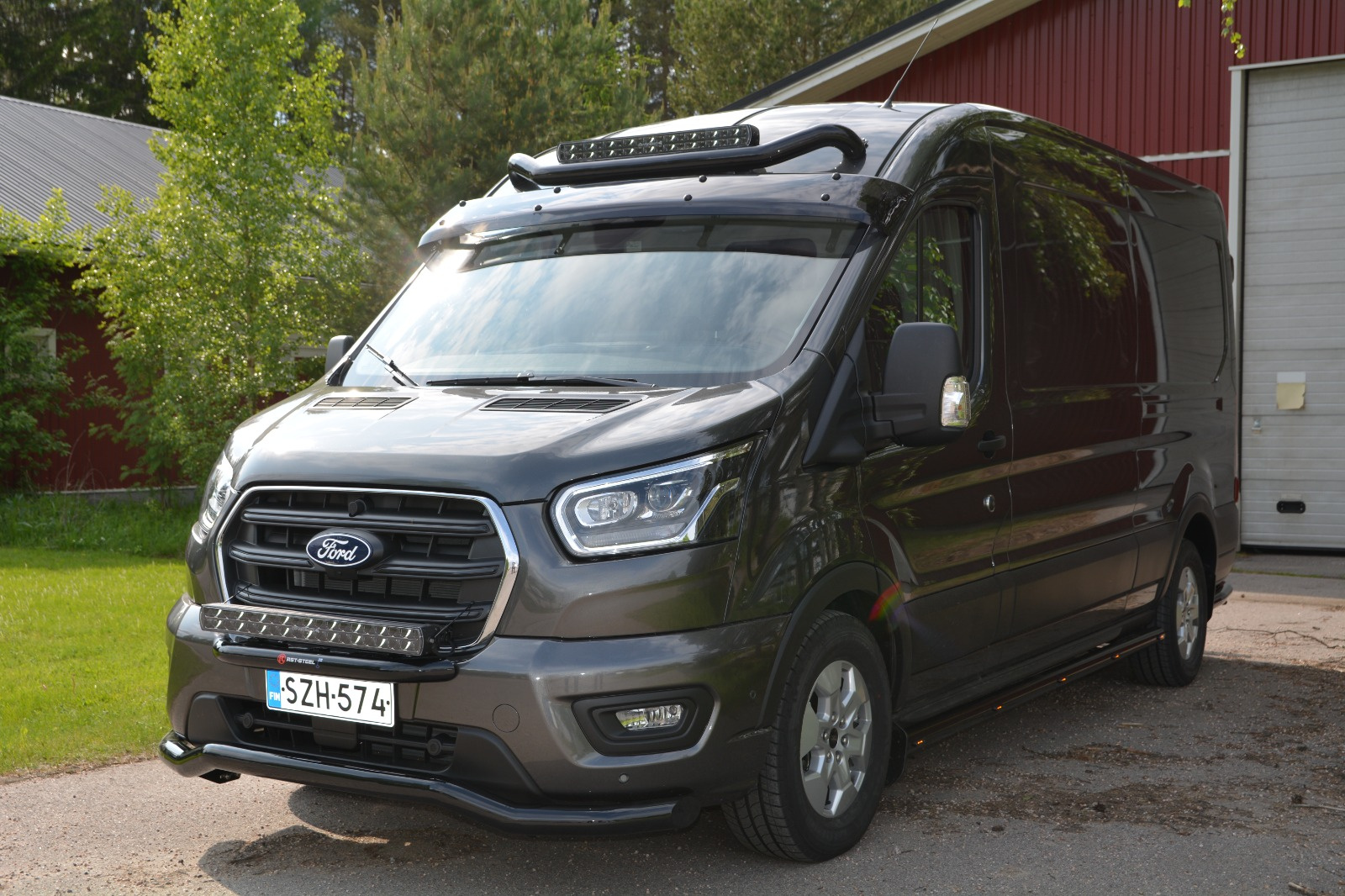
Linear series beam patterns create a wide, horizontal light distribution that extends far down the highway while minimising glare for oncoming traffic. This automotive lighting technology uses precisely engineered optics to deliver superior visibility for high-speed driving conditions. Professional drivers choose linear patterns for their exceptional distance illumination and reduced eye strain during long motorway journeys.
What is a linear series beam pattern and how does it work?
A linear series beam pattern produces a wide, horizontal spread of light that extends far ahead of the vehicle while maintaining consistent illumination across the entire width. Unlike traditional circular beam patterns, linear technology uses specially designed reflectors and lenses to create an elongated light distribution that matches the natural scanning pattern of human eyes during highway driving.
The optical principles behind linear beam patterns involve precise angle control and light redirection. Multiple LED elements work together through engineered optics to create a seamless horizontal band of illumination. This design eliminates the hotspots and dark zones common in conventional auxiliary lights, providing uniform light distribution across a wide area.
The technology differs fundamentally from traditional beam patterns by prioritising width over intensity concentration. Whereas conventional lights create circular pools of intense illumination, linear series patterns spread that same light energy across a broader horizontal plane. This approach proves particularly effective for highway applications where peripheral vision and distance visibility matter more than concentrated spot illumination.
Why do professional drivers choose linear beam patterns for highway use?
Professional drivers select linear beam patterns because they reduce eye strain and improve peripheral vision during extended highway driving. The wide, even light distribution allows drivers to detect objects, animals, and road hazards across the entire width of the roadway while maintaining comfortable vision for hours of continuous driving.
The pattern complements highway driving conditions perfectly by providing enhanced object detection at distance without creating the tunnel vision effect associated with spot beams. Professional drivers report less fatigue during night driving because their eyes do not need to constantly adjust between bright spots and dark areas. The consistent illumination helps maintain natural depth perception and spatial awareness.
Highway speeds require drivers to scan wide areas quickly and effectively. Linear beam patterns support this natural scanning behaviour by illuminating the entire field of vision uniformly. This proves especially valuable when detecting wildlife, debris, or vehicles entering from slip roads. The reduced glare characteristics also mean oncoming traffic experiences less disruption, contributing to overall road safety.
What’s the difference between linear series and spot beam patterns?
Spot beam patterns concentrate light into a narrow, intense circle that reaches extreme distances, while linear series patterns spread light horizontally across a wide area with moderate throw distance. Spot beams excel for off-road navigation and obstacle identification, whereas linear patterns optimise highway visibility and peripheral awareness.
Coverage characteristics differ significantly between these technologies. Spot beams typically illuminate areas 10–15 degrees wide but can reach distances exceeding 500 metres with high-quality units. Linear patterns cover 60–90 degrees horizontally but focus their effective range within 200–300 metres, matching typical highway sight requirements.
Light intensity distribution varies dramatically between patterns. Spot beams create intense central hotspots with rapid falloff toward the edges, making them ideal for penetrating fog or illuminating distant objects. Linear patterns maintain consistent intensity across their entire width, providing even illumination that supports natural eye movement and reduces adaptation fatigue.
Application suitability depends entirely on driving conditions. Choose spot beams for off-road adventures, rural roads with wildlife concerns, or situations requiring maximum throw distance. Select linear patterns for motorway driving, urban highways, or any application where wide-area visibility and reduced eye strain take priority over extreme distance performance.
How do you choose the right auxiliary lights with linear beam patterns?
Selecting appropriate auxiliary lights with linear beam patterns requires matching light specifications to your specific driving needs, vehicle type, and budget considerations. Quality considerations include build materials, IP rating for weather resistance, and optical precision, which determines beam quality and consistency across the illuminated area.
Price ranges vary significantly across different quality tiers. Premium options like Lazer Lamps offer exceptional performance and durability with advanced optical engineering, representing the highest-quality investment for professional applications. Mid-range solutions including Purelux and OZZ provide excellent value with solid performance characteristics suitable for regular highway use. Budget-friendly options like Optibeam deliver cost-effective linear beam technology for occasional drivers seeking improved visibility without premium pricing.
Installation factors include mounting location, electrical requirements, and integration with existing vehicle systems. Consider beam height relative to your vehicle’s stance, ensuring optimal light projection without excessive glare. Electrical capacity must support the chosen lights while maintaining reliable operation. Professional installation ensures proper alignment and compliance with local regulations.
Match light specifications to your driving patterns and vehicle requirements. Long-distance highway drivers benefit from wider beam angles and higher lumen outputs. Urban highway use may require more modest specifications to avoid excessive brightness in built-up areas. Vehicle size and mounting options influence the appropriate light bar length and mounting configuration for optimal performance.
When selecting linear series beam pattern auxiliary lights, consider consulting specialists who understand both the technology and local requirements. We offer comprehensive guidance on choosing appropriate lighting solutions that match your specific needs while ensuring proper installation and optimal performance for enhanced highway driving safety.

 Swedish
  English
  Norwegian