
What are Sun Visors on a truck?
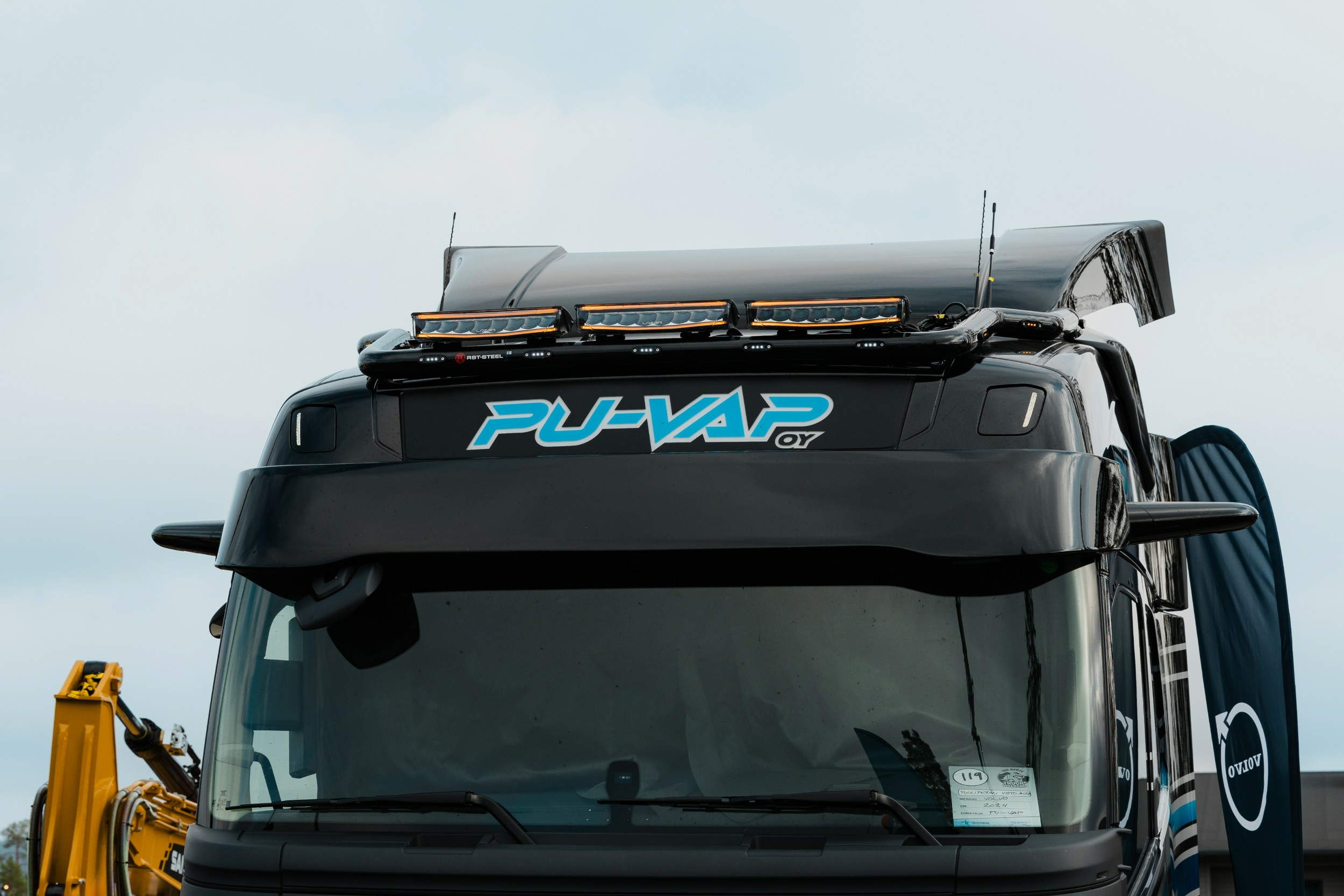
A sun visor on a truck is an exterior shade panel mounted above the windshield on the cab roof, designed to block low-angle sunlight that interior visors cannot reach. Unlike the fold-down flaps inside a passenger car, a truck cab sun visor is a fixed, structural accessory built to handle highway conditions, heavy vibration, and extreme weather. This article covers how it works, what to look for, and how to have one fitted correctly.
What exactly is a sun visor on a truck, and how does it differ from a car sun visor?
A truck sun visor is a rigid exterior panel fixed to the front edge of the cab roof, projecting outward above the windshield to shade the driver from direct sunlight. It is a permanently mounted structural component, not an adjustable interior flap. This distinguishes it fundamentally from the fold-down visors found in passenger cars, which block light from inside the cabin.
Car sun visors work for high-angle sun because the driver sits close to the windshield and can angle the flap accordingly. In a truck, the cab height, steep windshield rake, and the driver’s seating position create a different geometry. Low-angle sun, particularly common during Nordic winters when the sun barely clears the horizon, enters the windshield at angles that interior visors simply cannot address. The exterior truck sun visor solves this by casting a shadow across the entire windshield from outside.
How does a truck sun visor actually improve driving safety and visibility?
A truck sun visor reduces solar glare during low-angle sun conditions, including dawn, dusk, and winter driving, when sunlight strikes the windshield at shallow angles. Glare at these angles is particularly hazardous because it can overwhelm the driver’s vision almost entirely, degrading reaction time and increasing fatigue on long highway runs.
The visor’s projection depth and mounting angle determine its effective shading range. A well-designed unit casts a consistent shadow across the windshield without obstructing the driver’s forward sightlines. Reduced glare means the driver’s eyes are under less strain, which directly supports alertness over long shifts. For professional drivers covering hundreds of kilometres daily, this is a genuine safety gain, not merely a comfort feature.
What materials and construction standards should a professional driver look for in a truck sun visor?
Quality truck sun visors are manufactured from stainless steel, high-grade ABS plastic, or composite materials. Stainless steel offers the best long-term durability, resisting corrosion, UV degradation, and the temperature extremes common across Nordic seasons. ABS plastic units are lighter and can be cost-effective, but quality varies significantly between manufacturers.
Mounting integrity is critical. Look for reinforced bracket systems with hardware rated for continuous road vibration. A poorly mounted visor creates wind noise, risks detachment at motorway speeds, and can compromise cab aerodynamics. Aerodynamic profile also matters: a visor with poor shaping increases drag and fuel consumption. Professional-grade units are designed to integrate with the cab’s existing airflow, keeping both performance and efficiency intact.
Which truck brands and models are sun visors available for, and how is fitment determined?
Sun visors are model-specific accessories designed to match the cab geometry of individual truck brands, including Scania, Volvo, Mercedes-Benz Actros, DAF, and MAN. Fitment is determined by cab type, roof profile, and windshield curvature, all of which vary considerably between manufacturers and even between model generations of the same brand.
Universal-fit visors rarely perform as well as brand-specific designs. A generic unit may leave gaps in coverage, create mounting stress points not suited to the cab structure, or produce aerodynamic turbulence due to poor profile matching. When selecting a truck cab sun visor, always confirm compatibility with your specific cab variant, not just the general truck brand.
How are truck sun visors installed, and can a professional driver do it without specialist tools?
Most exterior truck sun visor installations use a bracket-and-bolt mounting system that attaches to existing roof fixing points or dedicated mounting rails on the cab. The process involves positioning the bracket assembly, aligning the visor to the windshield edge, and torquing fasteners to the manufacturer’s specification, typically using standard metric spanners and a torque wrench.
An experienced driver with mechanical confidence can complete the installation without a workshop, provided the mounting points are accessible and the product includes clear instructions. That said, incorrect alignment affects both shading performance and aerodynamics, and undertorqued fixings are a safety risk at speed. For drivers who want guaranteed fitment and no risk of vibration issues, professional fitting is the more reliable choice.
At RST-Steel, we supply sun visors for the most common truck brands and offer professional installation as part of our complete service. If you want the right visor fitted correctly the first time, contact our team to discuss your truck’s specific requirements and get a quote.


 Swedish
  English
  Norwegian