
Which Work Light Bars are the most efficient on a truck?
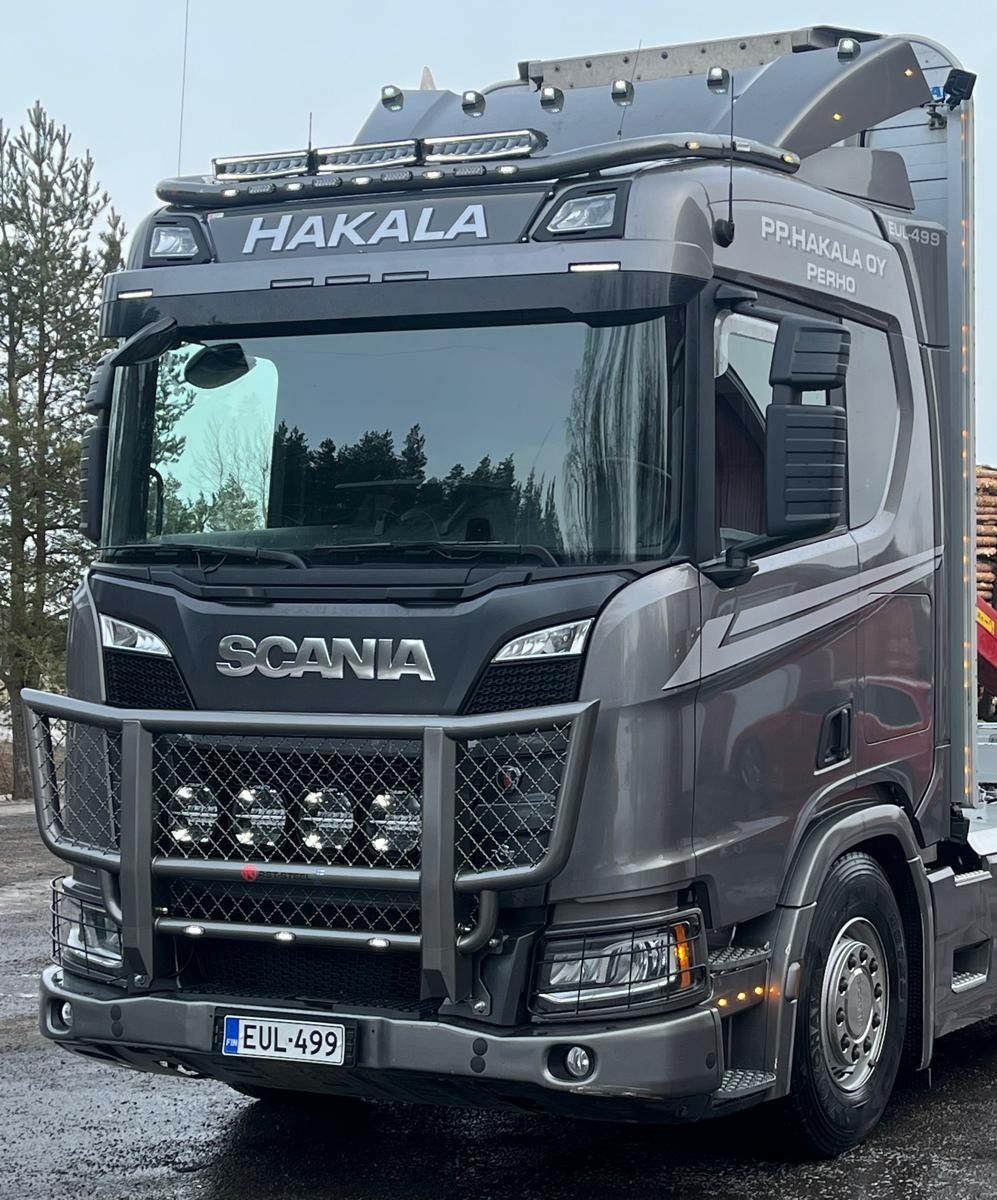
The most efficient work light bars for trucks combine a high lumen-per-watt ratio with the right beam pattern for the job at hand. LED technology has made professional truck lighting far more capable and energy-efficient than older halogen alternatives. Whether you drive in construction, forestry, or long-haul transport, understanding beam design, mounting position, and specification details will help you choose the best work lights for your truck.
What makes a work light bar truly efficient on a truck?
A truly efficient LED work light bar for a truck delivers maximum usable light output relative to the power it draws. The lumen-per-watt ratio is the core measure here — the higher it is, the more light you get without straining your electrical system. Colour temperature around 5,500–6,000 Kelvin provides daylight-like clarity that reduces eye fatigue during long shifts.
Beam pattern is equally important. Spot beams concentrate light at long distances, making them ideal for road driving and open terrain. Flood beams spread light wide and low, which suits close-range worksite illumination. A combo beam combines both, giving professional drivers flexibility across different conditions. For harsh environments, an IP67 or IP69K rating ensures the housing resists water ingress and high-pressure washing — essential for trucks exposed to mud, rain, and road salt.
Which types of truck light bar mounting positions deliver the best illumination?
Mounting position directly determines how useful your truck auxiliary lights are in practice. Roof-mounted light bars offer the widest coverage angle and the least obstructed beam path, making them the preferred choice for worksites where broad area illumination matters. Front bars and bull bar-mounted lights sit lower, projecting a more focused beam along the road ahead.
A truck roof light bar works particularly well for forestry, construction, and any situation requiring wide lateral coverage. Front bar and bull bar positions are better suited to road driving at night, where a strong forward throw is the priority. For drivers who need both, combining a roof bar with a front-mounted setup gives layered illumination that covers both near-field work areas and long-distance visibility. The right choice depends on whether your primary need is worksite coverage or road driving performance.
What should professional drivers look for when comparing work light bar specifications?
When comparing professional truck lighting specifications, raw lumen output is a starting point — but effective lux at distance tells you far more about real-world performance. A bar claiming high lumens but with poor optical design may deliver disappointing results at 50 or 100 metres. Always check the lux figure at a stated distance alongside the beam spread in degrees.
Wattage draw matters for electrical compatibility. Heavy trucks run 24V systems, and not all light bars are rated for both 12V and 24V operation. Heat dissipation design affects long-term reliability — bars with aluminium housings and proper thermal management last significantly longer under sustained use. Vibration resistance is particularly relevant for trucks on rough terrain; look for bars with robust bracket systems and housing designs tested against sustained mechanical shock.
How do LED work light bars perform in extreme cold and Nordic winter conditions?
LED work light bars generally perform well in cold conditions, but sub-zero temperatures do affect specific components. The LED driver circuitry can experience reduced efficiency at very low temperatures, and polycarbonate lenses may become more brittle with repeated freeze-thaw cycles. Mounting brackets made from lower-grade steel are susceptible to fatigue cracking when exposed to prolonged cold combined with road vibration.
For Scandinavian operating conditions, prioritise light bars with die-cast aluminium housings, stainless steel or marine-grade mounting hardware, and drivers rated for operating temperatures down to at least -40°C. LAZER work lights, which we supply as exclusive Finnish importers, are engineered with Nordic conditions in mind and carry the thermal and ingress protection ratings that demanding winter use requires.
Choosing the right work light bar setup is a technical decision that pays off in safety, visibility, and long-term reliability. If you want expert guidance on selecting and fitting the right truck light bar for your specific vehicle and working conditions, contact RST-Steel — we’ll help you get it right from the start.


 Swedish
  English
  Norwegian