A front spoiler bar is a vehicle protection accessory mounted low on the front bumper of a van, designed to absorb and deflect impact from kerbs, speed bumps, snowdrifts, and other low-level road hazards. Choosing the right one means understanding fitment, material quality, lighting options, and how it differs from other front-end accessories. This guide covers the practical questions professional van operators ask most.
What is a front spoiler bar and what does it actually protect?
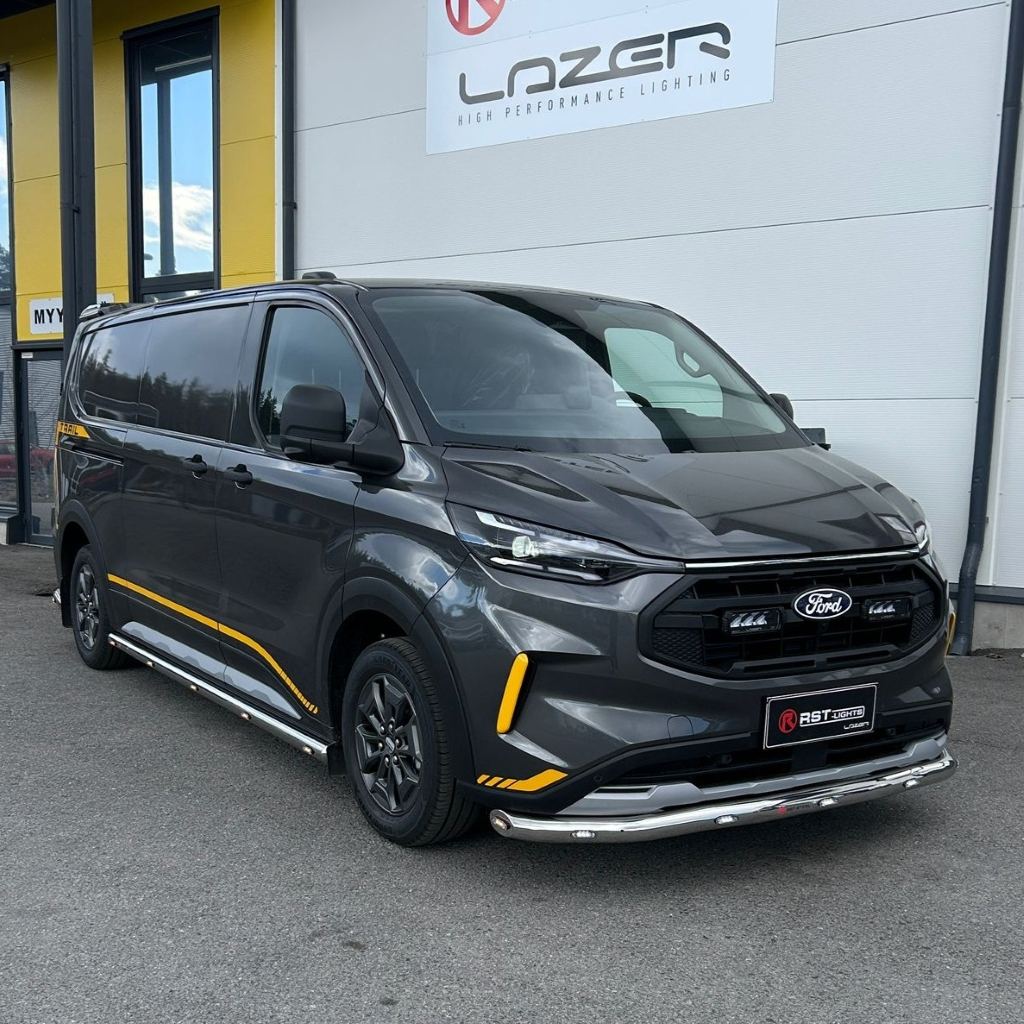
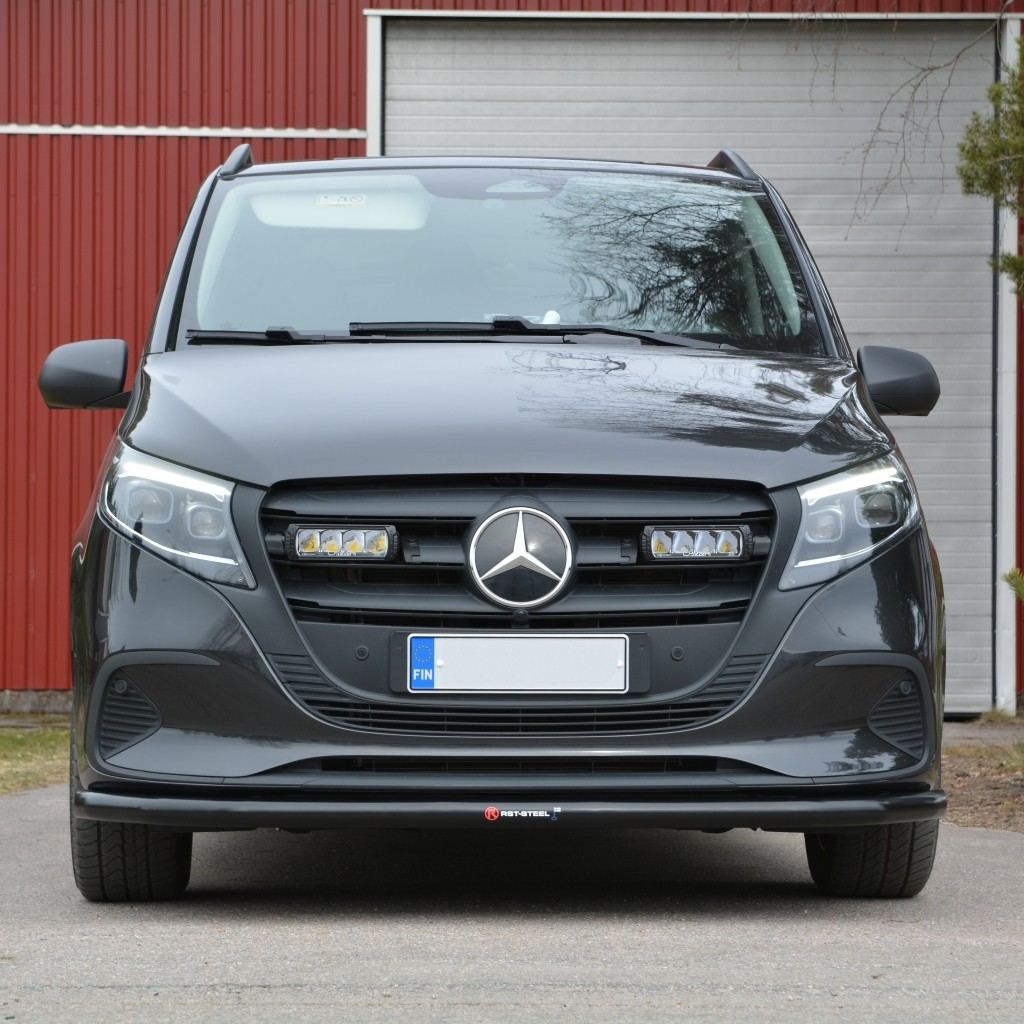
A front spoiler bar is a structural protection accessory fitted along the lower edge of a van’s front bumper. Its primary function is to shield the bumper from low-level impact hazards, including kerbs during tight manoeuvres, speed bumps taken at speed, and compacted snowdrifts common on Nordic roads. Front bumper repairs are costly and take vehicles off the road, so the spoiler bar acts as a sacrificial buffer that absorbs minor impacts before they reach the bodywork.
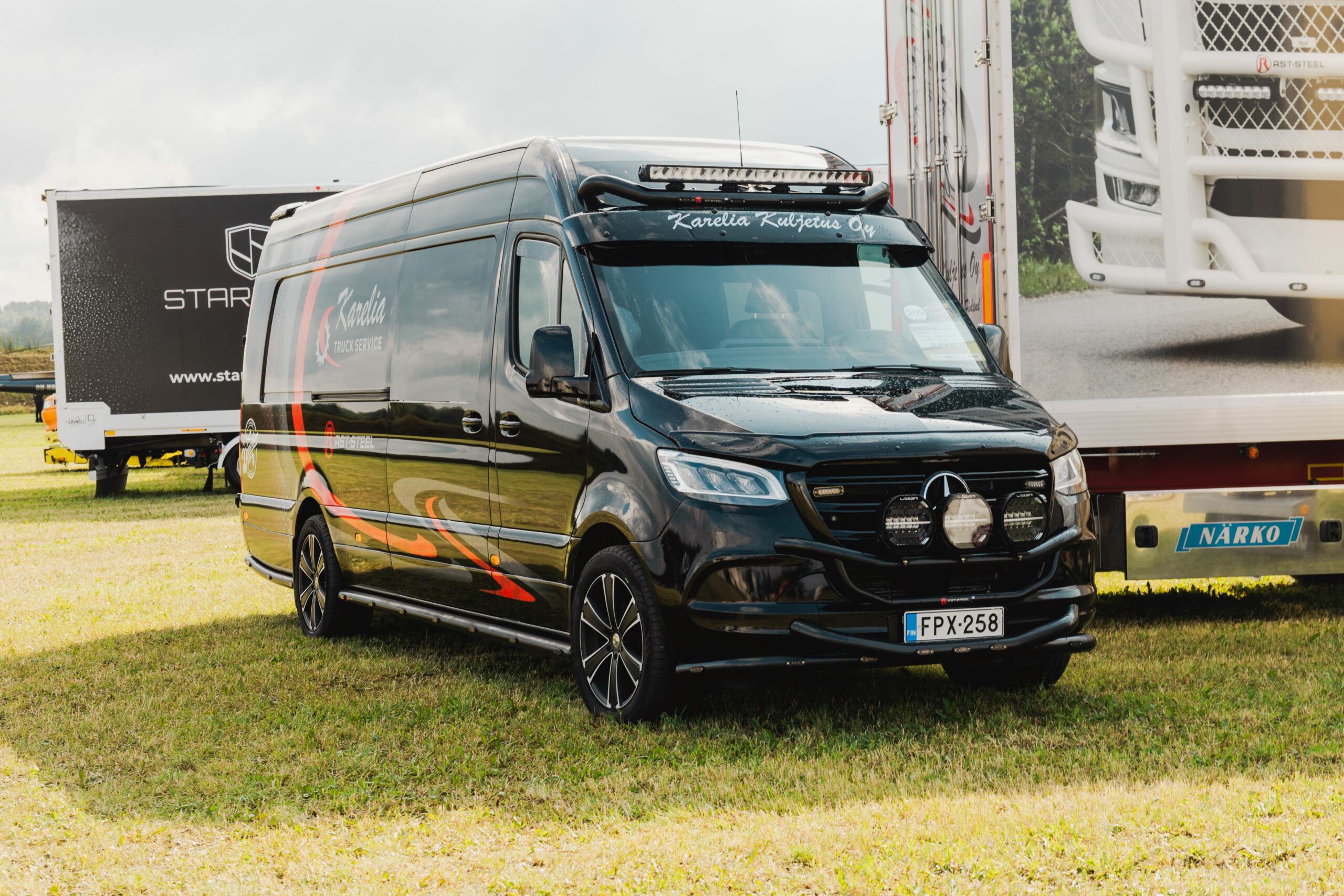
It is worth understanding how a spoiler bar differs from related accessories. A bull bar is a heavy-duty frame that wraps the entire front end, offering protection against larger collisions. A front bar, by contrast, is typically mounted across the grille area and is primarily used as a mounting platform for auxiliary lights. The front spoiler bar sits lower, targeting the underside of the bumper specifically. For professional van operators who navigate urban environments, loading bays, and winter roads daily, the spoiler bar addresses the most common and repetitive damage risk.
What materials and build quality should you look for in a front spoiler bar?
For year-round use in Nordic conditions, stainless steel is the only sensible material choice. Grade 304 stainless steel is the standard for quality van accessories, offering strong corrosion resistance against road salt, moisture, and temperature cycling. Wall thickness matters significantly: a professional-grade spoiler bar uses tube with a minimum wall thickness of 1.5 to 2 mm, which provides the structural rigidity needed to absorb real impacts without deforming.
Weld quality is equally important and often the clearest indicator separating a professional product from a generic aftermarket option. Clean, continuous TIG welds with no porosity or undercut ensure the bar holds its shape under load. The surface finish on a quality stainless steel spoiler bar should be consistently polished or brushed, with no rough edges or uneven sections that trap moisture and accelerate corrosion over time.
Generic alternatives often use mild steel with a chrome coating, which may look similar initially but deteriorates quickly once the surface is scratched by the very impacts the bar is meant to absorb. A stainless steel spoiler bar, properly manufactured, requires no repainting and maintains its appearance across years of hard use.
Which front spoiler bar fits your van, and how do you verify compatibility?
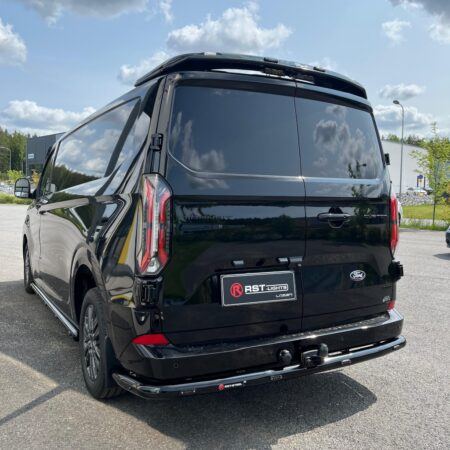
Front spoiler bars are vehicle-specific by design. Each bar is engineered to align with the mounting points, bumper profile, and lower body geometry of a particular van make and model. A bar designed for a Ford Transit will not fit a Mercedes-Benz Sprinter or a Volkswagen Crafter, even if the dimensions appear similar. Mounting brackets are shaped to attach to the factory-provided fixing points beneath the bumper, ensuring a secure, rattle-free fit without drilling or modification.
The most common commercial van platforms covered by quality spoiler bar ranges include the Ford Transit, Mercedes-Benz Sprinter, Volkswagen Crafter, Renault Master, Vauxhall/Opel Movano, and Peugeot Boxer. Model year accuracy is critical: a facelift or platform update often changes bumper geometry enough to make an older bar incompatible. Always confirm the exact model year and body variant, including whether the van has a standard or high-roof configuration, before ordering.
Can a front spoiler bar be equipped with position lights, and what are the requirements?
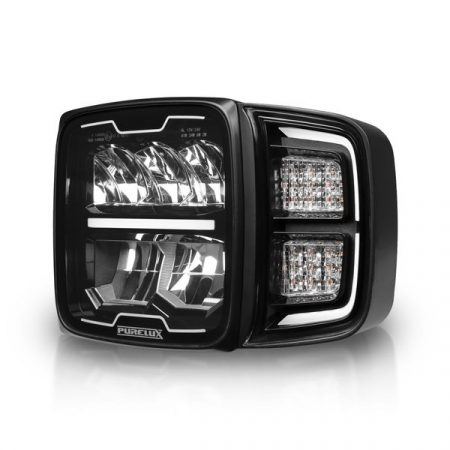
Many professional-grade front spoiler bars are designed with integrated light mounting points, allowing position lights or auxiliary lighting to be fitted directly to the bar. This is a practical advantage: the bar is already positioned at the front of the vehicle, and adding position lights improves visibility in low-light conditions, during winter darkness, and in poor weather, all of which are daily realities for working drivers in Finland.
Under EU and Finnish road traffic regulations, position lights on commercial vehicles must emit white light to the front, be mounted symmetrically, and comply with ECE-R7 approval standards. Any auxiliary lighting added must not dazzle other road users and must be wired through a proper relay and fuse setup to prevent electrical faults. It is advisable to route wiring through existing grommets and looms to protect against moisture ingress.
Before purchasing a spoiler bar with the intention of adding lights, confirm that the bar includes pre-drilled or reinforced mounting positions and that the chosen lights carry the relevant ECE approval markings.
At RST-Steel, we manufacture front spoiler bars for the most common van models and supply them with optional position light fittings, with full installation available at our branches in Nivala, Pirkkala, and Oulu. If you are ready to protect your van’s front end properly, Kontakt oss to find the right spoiler bar for your vehicle.

 Norwegian
  English
  Swedish