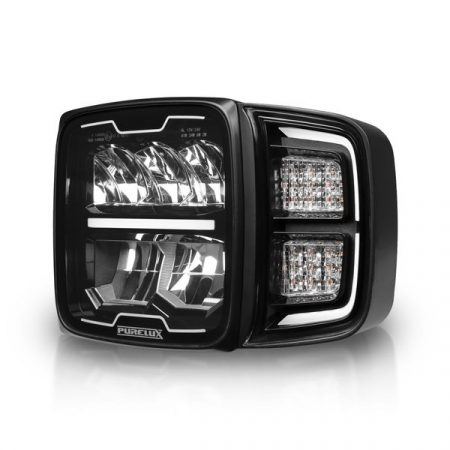
How to Choose the Right Auxiliary Lights for Your Vehicle

Choosing the right auxiliary lights for a car depends on the intended use, the type of vehicle, and your personal needs. The most important factors to consider are the lighting technology (LED, halogen, or xenon), IP rating, mounting method, and compliance with Finnish traffic regulations. High-quality Lazer auxiliary lights offer excellent lighting performance and long service life.

Why are auxiliary lights important for safety and driving comfort?

Auxiliary lights significantly improve driving safety, especially at night and in challenging weather conditions. They expand the field of vision and increase visibility to other road users.

Due to Finland’s long periods of darkness, good lighting is essential for safe driving. Auxiliary lights help detect pedestrians, animals, and changes in the road environment in time. On rural roads, where street lighting is absent, auxiliary lights can be a critical safety factor.

For work tasks, auxiliary lights make loading and unloading in the dark easier. For recreational use, they enhance the driving experience on forest roads and during trips to cabins.

Differences between LED, halogen, and xenon auxiliary lights

  • LED lights are energy-efficient, long-lasting, and produce bright white light.

  • Halogen lights are affordable but consume more energy.

  • Xenon lights provide very bright light but are more expensive.

Technology Lifespan Energy consumption Value for money
LED 25,000–50,000 h Low Excellent
Halogen 500–1,000 h High Good
Xenon 2,000–3,000 h Medium Good

LED technology is currently the most popular choice due to its energy efficiency and long lifespan. Lazer auxiliary lights use top-quality LED technology, ensuring even light distribution and excellent durability.

Factors to consider when choosing auxiliary lights for your car

The main selection criteria are the type of vehicle, intended use, IP rating for water resistance, mounting method, and compliance with Finnish law. The light output should match actual needs.

An IP67 rating guarantees full protection against dust and water, which is essential in Finnish conditions. The mounting method must suit your vehicle’s structure and intended use.

In Finland, the use of auxiliary lights is regulated by road traffic law. The lights must be wired in a way that corresponds to the main high beams and may only be used when high beam use is permitted. Placement and alignment must comply with regulations.

Installation costs and DIY possibilities

Professional installation typically costs between €100–300, depending on the complexity of the installation. DIY installation is possible for someone with basic electrical skills but requires the right tools and knowledge.

For DIY installation, you need basic tools, a multimeter, and possibly a drill. The most important factors are secure mounting and proper electrical connection to the vehicle’s light switch.

Professional help is recommended if the vehicle has a complex electrical system or the installation requires structural modifications. Improper installation can cause electrical faults or safety risks.

Best auxiliary light brands and where to buy

Reliable brands include Lazer Lamps, known for premium quality and long warranties. The most important thing is to choose a supplier who provides a comprehensive warranty and expert guidance.

Lazer auxiliary lights stand out in the market due to their high-quality aluminum construction and IP67 protection rating. The products are designed specifically for demanding Nordic conditions and come with a five-year warranty.

A trustworthy supplier is recognized by a wide product range, fast delivery, and professional customer service. Warranty coverage and after-sales support are essential for long-term satisfaction.

Summary: improving safety and comfort with the right auxiliary lights

Choosing the right auxiliary lights significantly enhances driving safety and comfort. It is worth investing in quality products that withstand Finland’s demanding conditions over the long term.

Explore our range and contact us to find the auxiliary lights that best meet your needs.

Related Posts

Uncategorized

What is the difference between a Roof Bar and a Work Light Bar?

Roof bar or work light bar? Know the key differences to choose the right fit for your truck.

Uncategorized

How many lights can be mounted on a Roof Bar?

Most truck roof bars hold 2–8 lights — but legal limits, cab width, and wiring matter more than you’d think.

Uncategorized

What are Front Bars?

Discover how stainless steel front bars simplify auxiliary light installation and boost truck visibility on demanding roads.

Uncategorized

Where are Front Bars mounted on a truck?

Truck front bars mount on the grille frame — not the chassis. Here’s what they do and why it matters.

Uncategorized

How do Front Bars affect aerodynamics?

Discover how front bars disrupt truck airflow, raise fuel costs, and how smart design choices minimize the aerodynamic trade-off.

Uncategorized

Are Front Bars approved for road use?

Find out if front bars are road-legal for trucks and what EU and Finnish compliance rules you must know.

Uncategorized

Why are Bird Nets necessary on trucks?

One cracked windshield costs more than a bird net — here’s why professional drivers install them first.

Uncategorized

How are Bird Nets installed on a truck?

Protect your windshield with a properly installed stainless steel bird net — here’s exactly how it’s done.

Uncategorized

Which Bird Nets are the most durable?

Stainless steel bird nets outlast the rest — here’s how to choose the most durable option for your truck.

Uncategorized

Can Bird Nets be used in all weather conditions?

Stainless steel truck bird nets handle every season — here’s what makes them truly all-weather reliable.

Uncategorized

How can the Cabin Inside of a truck be improved?

Discover practical truck cabin upgrades that improve driver comfort, reduce fatigue, and boost daily performance.

Uncategorized

What are Sun Visors on a truck?

Discover how exterior truck sun visors reduce dangerous glare and improve driver safety on long highway runs.

Uncategorized

Which Roof Bars withstand harsh weather conditions best?

Grade 316 stainless steel roof bars outperform the rest in harsh Nordic conditions — here’s exactly why.

Uncategorized

How do Sun Visors improve driving comfort?

Discover how a truck sun visor reduces glare, prevents driver fatigue, and improves road safety on every long haul.

Uncategorized

Which Sun Visors are best suited for professional use?

Not all sun visors are built for professional demands — here’s what separates purpose-built truck visors from the rest.

Uncategorized

Which Cabin Outside accessories should be installed on a truck?

Protect your truck and improve safety with the right cabin exterior accessories for professional drivers.

Uncategorized

Can Sun Visors be adjusted to different positions?

Yes — truck sun visors adjust in multiple ways. Here’s what every professional driver should know.

Uncategorized

How does Cabin Inside affect driver well-being?

Poor cabin ergonomics silently drains driver alertness — discover which interior accessories make the biggest difference on long hauls.

Uncategorized

Which seat covers are suitable for professional use?

Not all seat covers handle daily cab life. Find out which materials and features truly meet professional standards.

Uncategorized

Which Work Light Bars are the most efficient on a truck?

Not all truck light bars are equal — discover which specs, beam patterns, and ratings truly deliver on the job.

Uncategorized

Can Work Light Bars be used on public roads?

Work light bars are illegal on EU public roads — here’s what every professional truck driver must know.

Uncategorized

Can Front Spoiler Bars be repaired after damage?

Damaged front spoiler bar? Discover repair methods, assessment tips, and when replacement beats repair costs.

Uncategorized

Which Front Spoiler Bars withstand impacts best?

Not all front spoiler bars survive real-world punishment — material grade, weld quality, and bracket engineering make all the difference.

Uncategorized

How do Front Spoiler Bars affect a truck’s air resistance?

Front spoiler bars do more than manage airflow — discover their real aerodynamic impact and practical benefits for truck drivers.

Uncategorized

When should Wheel Covers be replaced?

Damaged truck wheel covers risk costly rim repairs and road safety hazards — here’s exactly when to replace them.

Uncategorized

How should Wheel Covers be cleaned effectively?

Brake dust, road salt, wrong cleaner — discover the step-by-step wheel cover cleaning routine that protects your rims long-term.

Uncategorized

Which lights work best on a Roof Bar?

LED vs halogen, beam patterns, and key specs — find the best roof bar lights for professional trucks.

Uncategorized

Which Front Bars fit different truck models?

Discover which stainless steel front bars fit major European truck models — and how to choose the right one.

Uncategorized

How should Cabin Inside cleaning be carried out professionally?

Master professional truck cabin cleaning with the right tools, techniques, and schedules every driver needs.

Uncategorized

How can Cabin Inside lighting be improved?

Discover how the right truck cabin lighting reduces driver fatigue and transforms your cab into a productive workspace.

Uncategorized

Which Front Spoiler Bars are suitable for city driving?

Protect your truck’s front bumper in city traffic — discover which front spoiler bars handle urban hazards best.

Uncategorized

What are Front Spoiler Bars on a truck?

Discover how front spoiler bars shield truck bumpers from real-world hazards — reducing costly downtime and repair bills.

Uncategorized

Is a Bull Bar mandatory on a truck?

Bull bars aren’t mandatory on trucks — but here’s why professional drivers treat them as essential.

en_USEnglish

Cart ( 0 kohdetta )

No products in the cart.