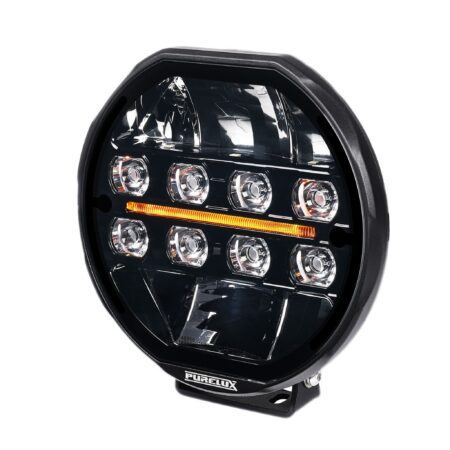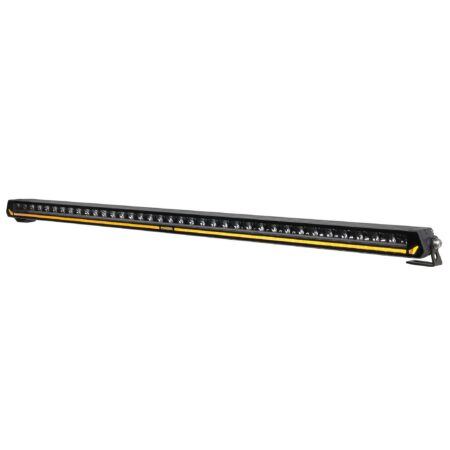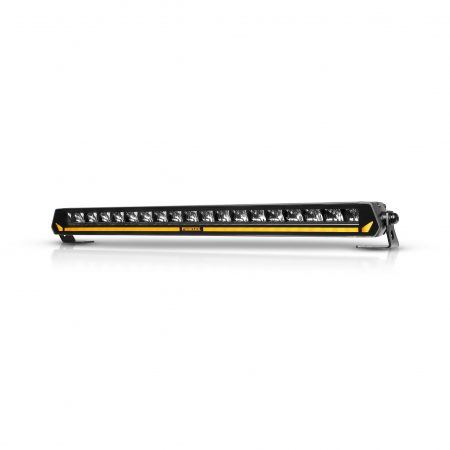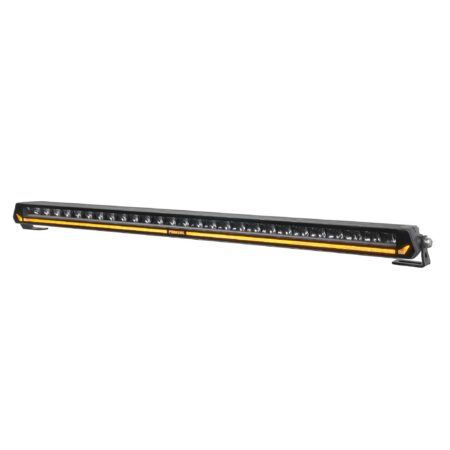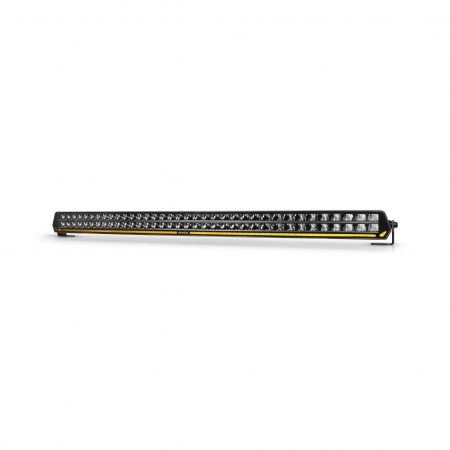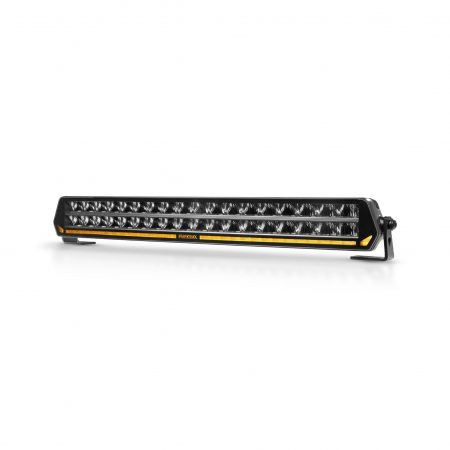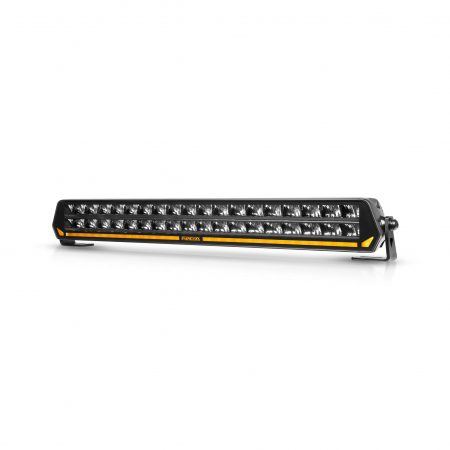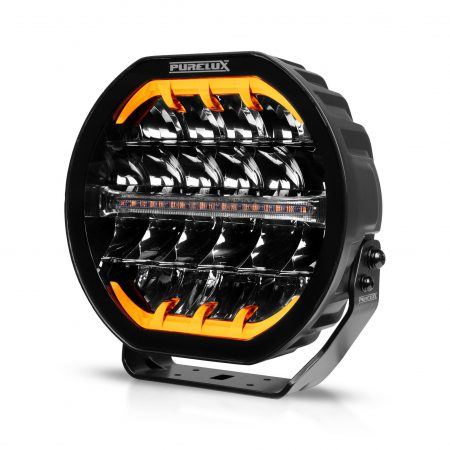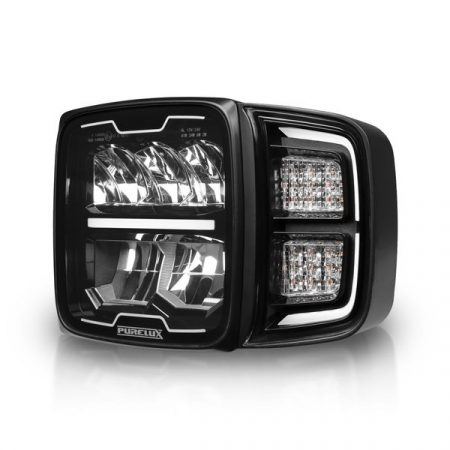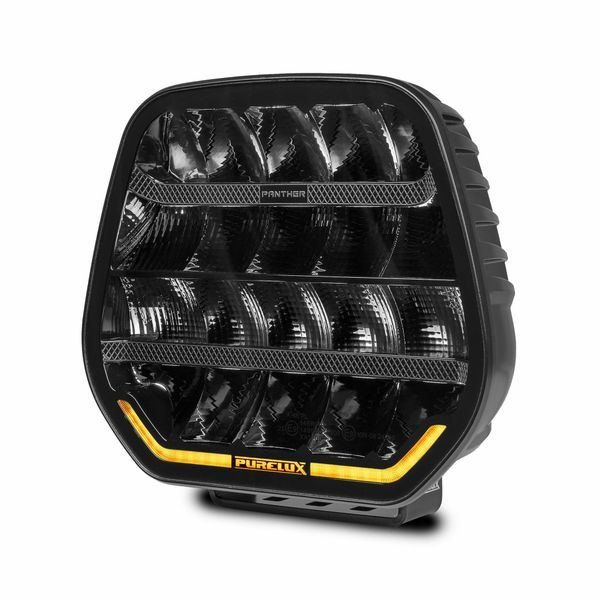
LED lights use semiconductor technology, while halogen lights operate using a heated filament. LED lights are more energy-efficient and durable, whereas halogen lights provide a warmer light tone and a lower purchase price. The choice depends on your usage needs, budget, and vehicle.
Basic difference between LED and halogen auxiliary lights
LED auxiliary lights produce light using semiconductor technology, where electric current passes through a diode causing light to be emitted. This process is very efficient and generates little heat. Halogen auxiliary lights, on the other hand, work on the principle of a traditional filament, where a tungsten filament is heated in a halogen gas environment.
The technological difference directly affects the lights’ performance, energy consumption, and lifespan. LED technology is newer and more advanced, while halogen technology has been a reliable solution for decades.
Both technologies have their own strengths for different purposes. Choosing between them depends on which characteristics you value most in vehicle lighting.
What is the biggest advantage of LED auxiliary lights compared to halogen?
Energy efficiency is the most significant advantage of LED lights – they consume up to 80% less energy while producing brighter light. This reduces the load on the vehicle’s electrical system and lowers fuel consumption.
LED lights last significantly longer than halogen lights. Their lifespan is typically 25,000–50,000 hours, whereas halogen lights last only 1,000–2,000 hours. This means fewer replacements and less maintenance.
Additionally, LED lights are mechanically more durable and better withstand vibration. They turn on instantly at full power, unlike halogen lights, which require warm-up time. Lazer auxiliary lights represent the peak of LED technology, offering exceptional performance in demanding conditions.
Why are halogen auxiliary lights still popular?
The lower purchase price is halogen lights’ main competitive advantage. They are significantly cheaper to buy than LED lights, making them attractive for drivers balancing a budget.
Halogen lights produce a warm, natural light color, which many drivers find more comfortable than the often cooler white light of LED lights. This can improve driving comfort on long trips.
Repairability is another significant advantage. A halogen bulb is easy and quick to replace, whereas repairing LED lights often requires replacing the entire unit. In older vehicles, halogen lights may also be a better choice for compatibility reasons.
Which lasts longer – LED or halogen?
LED lights clearly last longer than halogen lights. The lifespan of LED lights is typically 25,000–50,000 hours, compared to 1,000–2,000 hours for halogen lights.
In practice, this means that an LED light can last up to 25 times longer than a halogen light. If you use auxiliary lights an average of two hours per day, a halogen light lasts approximately 1–3 years, whereas an LED light reliably works for over ten years.
The longer lifespan compensates for the higher initial cost of LED lights over time. When you add up the saved replacement costs and reduced maintenance, LED lights often prove to be the more economical choice in the long run.
Choosing the right type of auxiliary light for your needs
The choice between LED and halogen lights depends on usage and budget. If you are looking for a long-term investment and use auxiliary lights regularly, LED lights are the better choice due to their energy efficiency and durability.
Halogen lights are suitable for occasional use or situations with a limited purchase budget. They are also a good choice for older vehicles where the electrical system may not optimally support LED technology.
Professional consultation is recommended to ensure you select the auxiliary lights best suited for your vehicle and intended use. The right choice ensures optimal lighting performance and safety in all driving conditions.
Explore our range and contact us to find the auxiliary lights that best meet your needs.