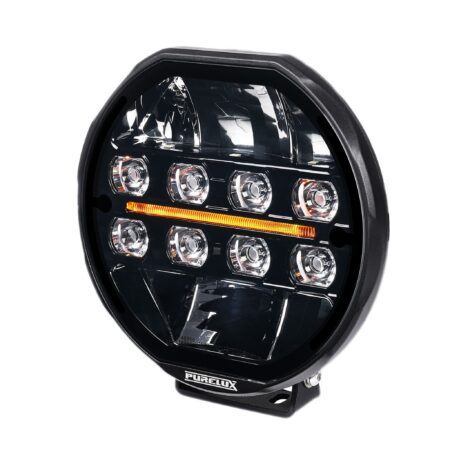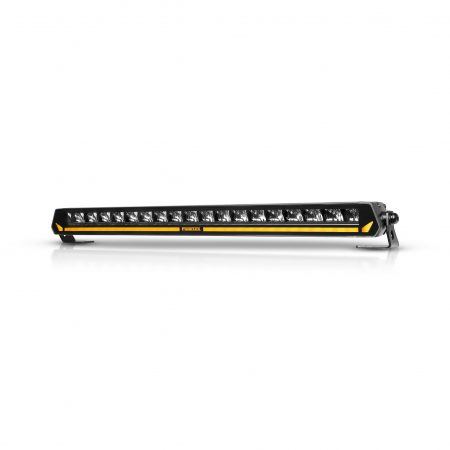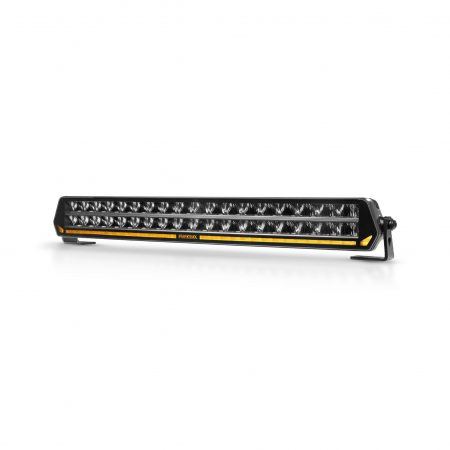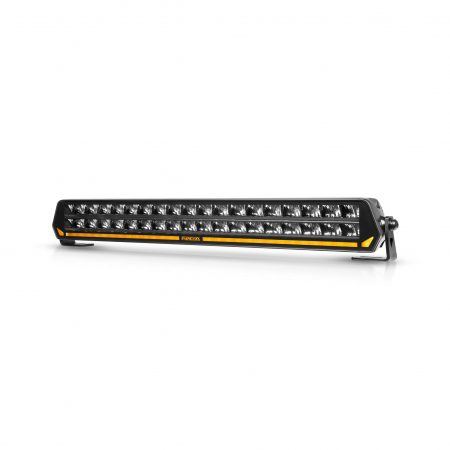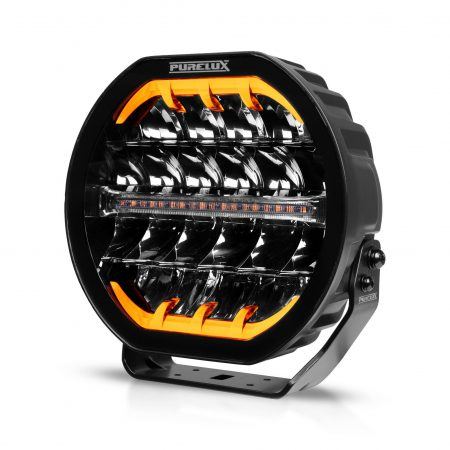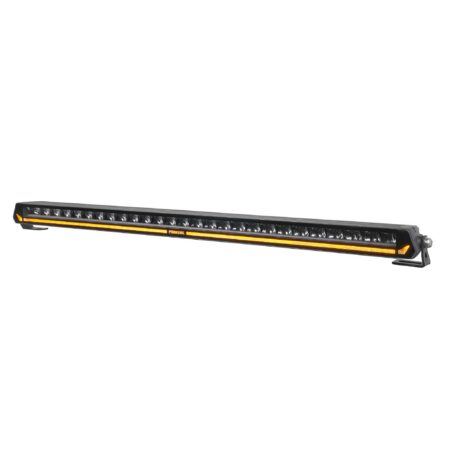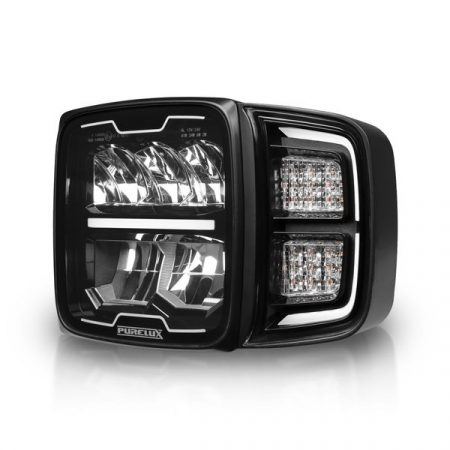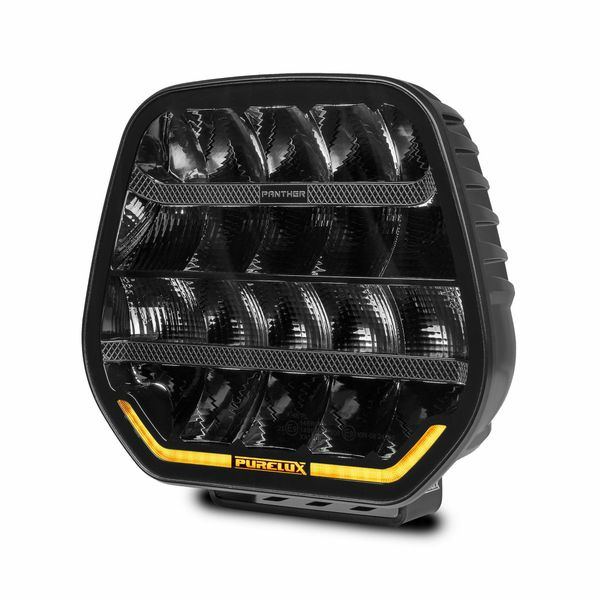
Auxiliary driving lights may be switched on only on a public road when it is dark or visibility is poor, and they must go off whenever they could dazzle another road user. In practice that means using them like extra high beams: on dark rural roads and empty highways, but never in lit urban areas, when meeting oncoming traffic or when following another vehicle closely. Work lights and fog lights are different functions, and the exact legal rules depend on your country and vehicle class, so always check local regulations.
Short Answer: Auxiliary Driving Lights vs. Work Lights vs. Fog Lights
These three light types are often confused, but they serve different purposes:
- Auxiliary driving lights add long-range light to your main beam and are intended for use while driving, under the same conditions where high beams are appropriate.
- Work lights are intended for illuminating a work area when the vehicle is stationary. They must not be used while driving on public roads.
- Fog lights produce a wide, low beam pattern designed to reduce reflection in fog, rain or snow, and they are used in poor visibility rather than as a distance light.
Marker lights, which show the outline of a vehicle, are a separate category again and are not meant to illuminate the road.
What Does the Law Say About Using Auxiliary Lights?
The underlying principle is consistent in most jurisdictions: auxiliary lights are acceptable when they improve road safety without disturbing other drivers. Lights that can dazzle or confuse other road users are not acceptable.
The exact requirements, however, vary by country and vehicle class. Rules on the number of lights, permitted beam types, wiring and when they may be on differ from one country to another, and sometimes between passenger cars, vans and heavy vehicles. Misuse can lead to fines or other penalties. Before you drive with auxiliary lights, check the regulations that apply where you drive and register your vehicle. For lamp-count rules, see our guide on how many auxiliary lights can be installed on a vehicle in the Nordic countries, and for approval requirements, read how to ensure that an auxiliary light meets E-mark approval.
High Beams, Oncoming Traffic and Glare: The Core Rule
Auxiliary driving lights follow the logic of your high beams. If you would not use your high beams in a given situation, you should not use auxiliary driving lights either.
- Approaching traffic: switch them off early, before oncoming drivers are within the range of your glare, not at the last moment.
- Following another vehicle: switch them off. Bright light in a driver’s mirrors is dazzling even from a distance.
- Overtaking: switch them off before pulling out and keep them off until you are clear of the vehicle you passed.
- Crests and bends: light thrown over a hill or around a curve can reach oncoming drivers before you see them, so switch off in advance.
The point is simple: a light that blinds someone else makes the road less safe, not more.
When Can Auxiliary Lights Be Used While Driving?
Auxiliary lights are most useful on roads with little or no lighting and long sight lines, in darkness or low visibility, and only while no other traffic is affected.
Typical permitted situations include:
- Dark conditions on rural roads
- Empty highways or motorways at night, with traffic-aware switching
- Dusk when headlights alone are insufficient
- Off-road driving on private roads
- Poor visibility from rain or snowfall, if the light does not reflect back and impair your own vision
They must be switched off immediately when meeting or overtaking other vehicles, and whenever you enter a built-up area.
Use by Environment: Rural Roads, Motorways, Urban Roads and Well-Lit Areas
Dark rural roads
This is where auxiliary lights deliver the most value. Extra range helps you spot wildlife, pedestrians and road hazards earlier. Dip them as soon as another vehicle appears ahead or behind.
Motorways and highways
Speeds are higher, so longer reach is useful, but traffic density is often higher too. Be ready to switch off frequently, and avoid leaving them on when following other vehicles at a distance that still puts light into their mirrors.
Urban roads and well-lit environments
Auxiliary driving lights are not appropriate here. Street lighting already provides adequate visibility, and bright lights only dazzle pedestrians, cyclists and other drivers. Switch them off when entering built-up areas.
Heavy rain, snowfall and fog
Weather changes how light behaves, so the answer is not simply “turn everything on.” See the next section for why.
Why More Light Is Not Automatically Better in Poor Weather
In fog, heavy rain and snowfall, tiny droplets and flakes scatter light. A high, narrow, long-range beam reflects off this suspended moisture and bounces back toward the driver, creating a bright “wall” that reduces visibility rather than improving it.
- Fog: a low, wide beam (such as a fog light function) sits below the densest layer and reduces glare. Long-range driving lights usually make things worse.
- Heavy rain: wet asphalt reflects light, so strong beams can cause glare for you and for oncoming drivers.
- Snowfall: flakes in the beam can create a dazzling effect, so a lower, wider light pattern is often more comfortable and effective.
If a light makes the road ahead harder to read, switch it off. For more detail, see how auxiliary lights behave in fog or rain.
Use-Case Table: Situation, Appropriate Light Function and Main Concern
| Situation | Appropriate light function | Main concern |
|---|---|---|
| Dark rural road, no traffic | Auxiliary driving lights with high beams | Switching off in time when traffic appears |
| Meeting oncoming vehicle | Low beams only | Dazzling the oncoming driver |
| Following another vehicle | Low beams only | Glare in the other driver’s mirrors |
| Empty motorway at night | Auxiliary driving lights, switched off when traffic is near | Frequent changes in traffic density |
| Urban or well-lit road | Low beams only | Unnecessary glare and non-compliance |
| Dense fog | Fog lights or low beams | Reflection from fog reducing your own visibility |
| Heavy rain | Low beams; auxiliary lights only if glare is not an issue | Reflection from wet road surface |
| Snowfall | Low beams or wide-pattern lights | Light scattering from snowflakes |
| Stationary work area | Work lights (vehicle stopped) | Never use them while driving |
| Private off-road track | Auxiliary driving lights | Rules on private land may differ from public roads |
Automatic High-Beam Integration and Wiring Pitfalls
Many modern vehicles use automatic high-beam systems that detect oncoming traffic and switch beams on and off. Auxiliary lights should ideally follow the same logic, but only when integrated correctly.
Problems arise when:
- The lights are wired to a simple switch that bypasses the vehicle’s high-beam logic, so they stay on while the high beams dip.
- A relay is connected to the wrong circuit, so the lights may turn on with low beams or daytime running lights.
- The vehicle’s control system or camera does not recognise the extra load, leading to errors or unpredictable behaviour.
- No separate shut-off switch is fitted, leaving no manual override if the automatic system fails.
The safest setup connects auxiliary lights through a relay triggered by the high-beam circuit, with a separate switch for manual control. Professional installation is strongly recommended; our guide on how to install auxiliary lights safely on a vehicle explains what to consider.
Common Driver Mistakes
- Leaving auxiliary lights on when entering towns or built-up areas
- Switching them off too late when oncoming traffic is already visible
- Using them while following another vehicle
- Using work lights while driving on public roads
- Assuming that more light always means better visibility in fog, rain or snow
- Wiring lights so they stay on with low beams
- Misaligned lights that aim too high and dazzle other drivers
- Assuming rules in one country apply in another
Quick Checklist Before You Switch Them On
- Is it dark or is visibility poor?
- Is the road outside a built-up or well-lit area?
- Is there no oncoming traffic and no vehicle ahead of you?
- Is the weather one where a long-range beam will help rather than reflect back?
- Are the lights properly aligned and wired to the high-beam circuit?
- Do you know the rules that apply in the country where you are driving?
If the answer to any of these is no, switch the lights off.
FAQ: Auxiliary Lights on Trucks, Vans and Passenger Cars
Are auxiliary lights legal?
In many countries they are legal when they are approved, correctly installed and used only under suitable conditions. Requirements differ by country and vehicle class, so check your local regulations rather than relying on a general rule.
When should additional high beams be switched off?
Switch them off when meeting or following other vehicles, when overtaking, in urban or well-lit areas and whenever they cause glare or reflection in poor weather.
Can I use auxiliary lights on a truck?
Often yes, but heavy vehicles may face specific rules on placement, number of lights and wiring. Trucks sit higher, so aiming matters even more: a poorly aligned light can dazzle drivers in smaller vehicles from a long way off.
What about vans and passenger cars?
The principle is the same: use them only in dark, low-traffic conditions and switch off for other road users. Vans and passenger cars generally have a lower mounting position than trucks, which can reduce glare risk, but correct aiming and wiring are still essential. Rules on how many lights are permitted may differ between vehicle classes.
Can I use work lights while driving?
No. Work lights are intended for use when the vehicle is stationary. Their beam pattern is not designed for road use and can dazzle other drivers.
Summary: Safe and Responsible Use of Auxiliary Lights
Used correctly, auxiliary lights improve visibility on dark roads. Used carelessly, they endanger other drivers.
Key points to remember:
- Use only in darkness or low visibility, outside lit urban areas
- Switch off when meeting, following or overtaking other vehicles
- Do not assume more light helps in fog, rain or snow
- Check the rules for your country and vehicle class
- Make sure installation and wiring are correct
Choosing Road-Approved Driving Lights
Once you know when and how auxiliary lights should be used, the next step is choosing lights that suit your vehicle and meet road requirements. Browse our range of auxiliary lights, including high-quality LED options such as Lazer products, which provide bright, even illumination and durability. If you need help selecting the right setup for your truck, van or car, request a quote and we will help you find a suitable, road-approved solution.