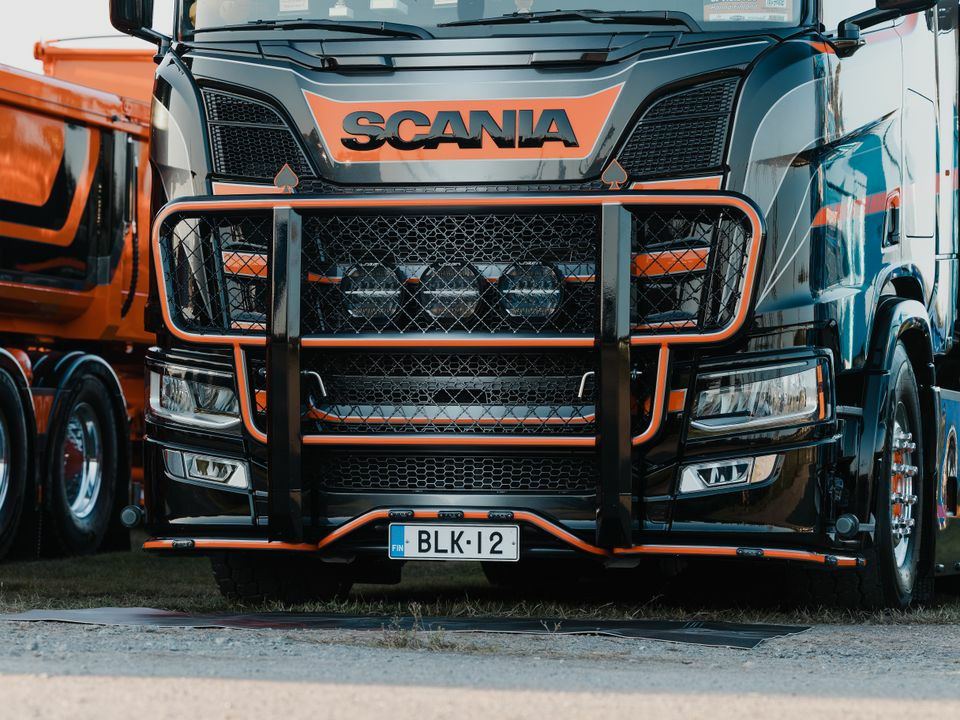
A bull bar is a sturdy frame mounted in front of a vehicle’s bumper and grille. It protects the front end — grille, lights, and radiator — in animal strikes and low-speed impacts, and it provides a mounting point for auxiliary lights. Not every bull bar is approved for road use, so always choose a road-approved design.
What Is a Bull Bar Used For?
A bull bar is a reinforced frame fitted in front of a vehicle’s standard bumper to shield the front end from damage. On a car or truck, its primary job is to absorb and deflect the force of an animal strike before it reaches the grille, lights, or radiator.
For trucks travelling Nordic roads, where moose, deer, and reindeer cross frequently, this kind of front-end protection is a practical consideration. An animal strike that would otherwise destroy a radiator or headlight cluster may leave a bull bar-equipped truck drivable.
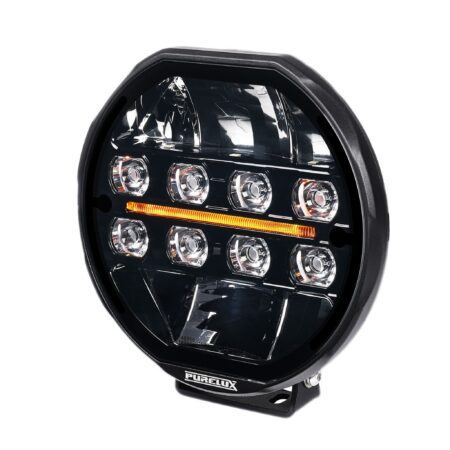
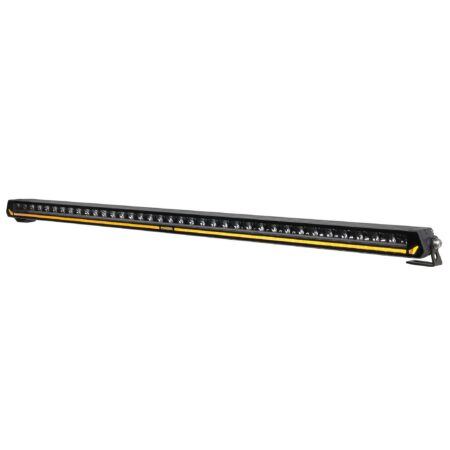
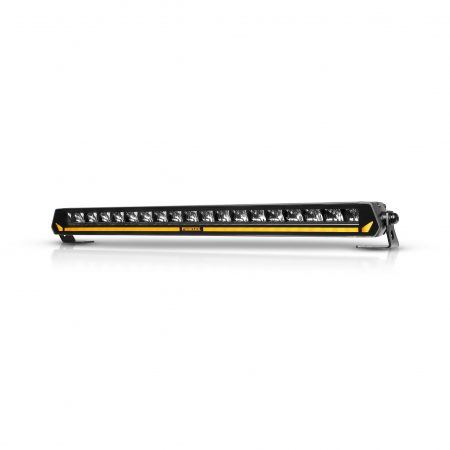
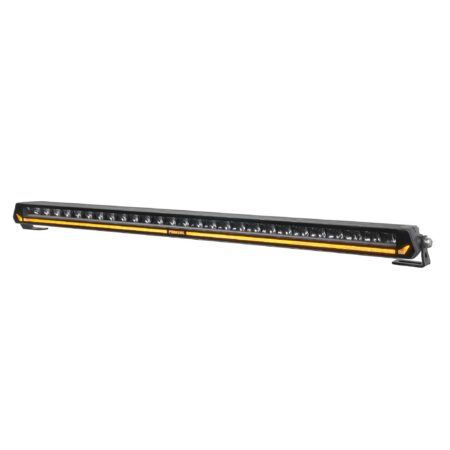
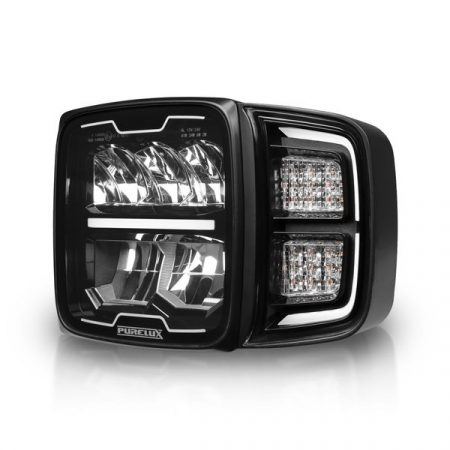
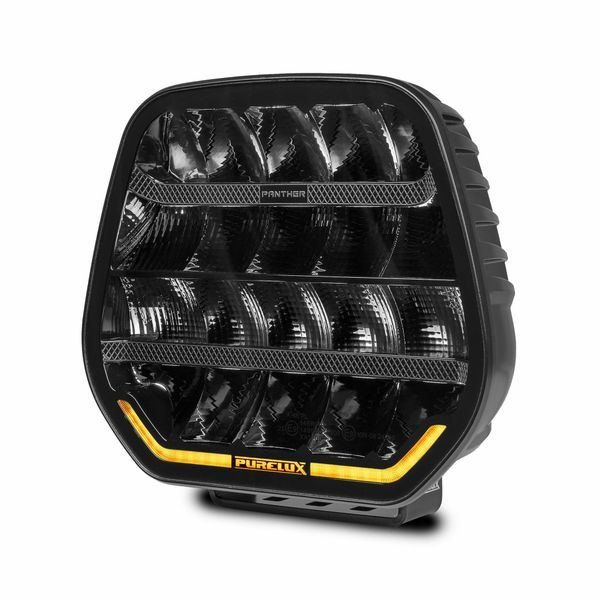
Beyond animal strike protection, bull bars serve a few other purposes. They protect the lights and cooling system in minor low-speed knocks. They also give a solid mounting point for auxiliary driving lights, which is useful when working in low-visibility conditions. Finally, many operators simply prefer the purposeful look a bull bar gives a work truck.
What Are Bull Bars Made Of?
Bull bars are manufactured from several different materials, each with its own trade-offs. The table below gives a general overview.
| Material | Strengths | Trade-offs |
|---|---|---|
| Stainless steel | High strength, excellent corrosion resistance, long service life | Heavier than aluminium; higher material cost |
| Powder-coated steel | High strength, lower cost | Coating can chip over time, exposing steel to corrosion |
| Aluminium | Lightweight, naturally corrosion-resistant | Lower impact strength than steel |
| Polymer | Lightweight, low cost | Significantly lower strength; limited protection in serious impacts |
RST-Steel bull bars are manufactured in Finland from stainless steel. You can browse the full range at the RST-Steel bull bar category.
Are Bull Bars Safe?
Bull bars protect the vehicle’s front end — grille, lights, and radiator — in animal strikes and low-speed impacts. However, it is important to be honest about a genuine trade-off: rigid steel bars can increase the injury risk to pedestrians and cyclists in a collision, compared with a standard factory bumper designed to absorb pedestrian impact.
This is precisely why road-approved bull bar designs exist. Approved designs are engineered with this risk in mind. RST-Steel states it is the only manufacturer in Finland offering officially road-approved bull bars.
The practical advice is straightforward: check a bull bar’s road approval before fitting it. A bar that is not approved for road use may create legal and safety problems regardless of how well it protects the vehicle’s front end.
Do Bull Bars Actually Work?
In the situations they are designed for — animal strikes and low-speed knocks — bull bars can reduce front-end damage and help keep a vehicle drivable after an impact that would otherwise put it off the road. For truck operators working in areas with high wildlife activity, that is a meaningful practical benefit.
It is equally important to be clear about what bull bars do not do. A bull bar is not an occupant crash-safety device. It does not replace or improve the vehicle’s built-in safety systems, and it should not be treated as a substitute for safe driving in wildlife-risk areas.
Are Bull Bars Universal?
No. Bull bars are manufactured for a specific vehicle make, model, and cab configuration. Fitting a bar designed for a different truck can compromise both the mounting integrity and any road approval the bar carries. Always match the bull bar to your exact truck.
RST-Steel produces bull bars for the following brands. Select your brand to see the available options:
| Brand | Category |
|---|---|
| Volvo | Volvo bull bars |
| Scania | Scania bull bars |
| Mercedes-Benz | Mercedes-Benz bull bars |
| DAF | DAF bull bars |
| MAN | MAN bull bars |
| Renault | Renault bull bars |
Bull Bar vs Bumper vs Front Bar
These three terms are sometimes used interchangeably, but they refer to different things. The table below explains the distinction.
| Part | What it is | Main job |
|---|---|---|
| Factory bumper | The standard front impact structure fitted by the vehicle manufacturer | Absorb low-speed impacts; designed to protect pedestrians in a collision |
| Bull bar | A heavy-duty steel frame mounted in front of or replacing the factory bumper | Protect the grille, lights, and radiator in animal strikes and low-speed knocks |
| Front light bar | A lighter bar or frame mounted at the front of the vehicle, primarily to carry auxiliary lights | Provide a mounting point for driving lights; limited structural protection |
If you need a mounting solution focused on auxiliary lighting rather than front-end protection, see the front bars for trucks category.
How to Choose a Bull Bar for Your Truck
The first step is an exact fit. Bull bars are made for specific makes, models, and cab types, so start by confirming the bar you are considering is listed for your truck’s exact specification. A correctly fitting bar mounts securely and retains its road approval.
Road approval is the next consideration. Not every bull bar on the market is approved for road use. Before purchasing, confirm that the bar carries the appropriate approval for your country and intended use.
Material matters for long-term ownership. A stainless steel bull bar resists corrosion better than powder-coated steel, which is relevant for trucks operating in wet, salty, or muddy conditions year-round.
Think about whether you want to mount auxiliary lights. Many bull bars include mounting points for driving lights, which can be a practical addition for operators working in darkness or poor visibility.
Finally, follow the manufacturer’s installation instructions. Correct installation is important both for the bar’s structural performance and for maintaining its road approval. RST-Steel’s range includes the Freeway, Dakar, and Lite model lines, covering different truck types and use cases.
Frequently Asked Questions
What is a bull bar on a car?
A bull bar is a sturdy steel frame fitted in front of a vehicle’s bumper and grille. Its purpose is to protect the front end — lights, grille, and radiator — in animal strikes and low-speed impacts. While the term originates from heavy vehicles, bull bars are also fitted to some passenger cars and SUVs.
What is the point of a bull bar?
The main purpose of a bull bar is to protect the front end of a vehicle in an animal strike or low-speed impact. It can help keep a vehicle drivable after an incident that would otherwise damage the radiator or lighting. Many operators also use bull bars as a mounting point for auxiliary driving lights.
Are all bull bars road-legal?
No. Not every bull bar is approved for road use. Some bars are manufactured without road approval, which can create problems when using the vehicle on public roads. Always check that a bull bar carries the appropriate road approval for your country before fitting it.
Can you fit lights on a bull bar?
Many bull bars include integrated mounting points for auxiliary lights such as driving lights or work lights. This is one of the practical reasons operators choose a bull bar over a lighter front bar. Check the specific bar’s specification to confirm what light mounting options it supports.
Find the Right Bull Bar for Your Truck
Browse the full range of road-approved stainless steel bull bars for Volvo, Scania, Mercedes-Benz, DAF, MAN, and Renault trucks at the RST-Steel bull bar category, or request a quote if you want help choosing the right bar for your vehicle.