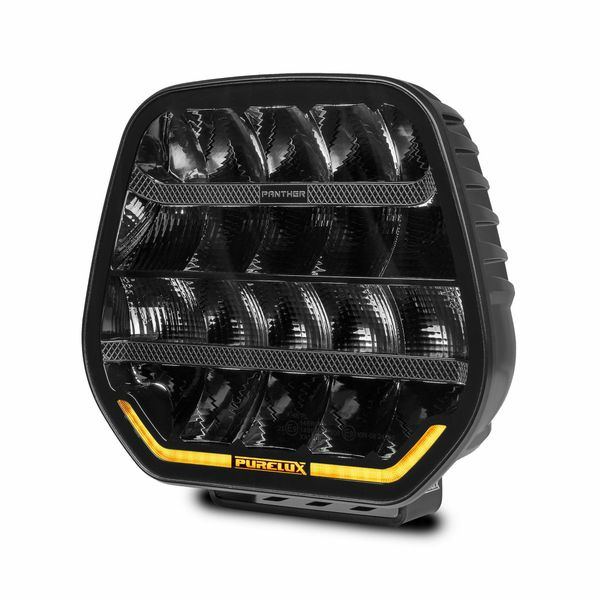

Bull bar weight varies considerably with material, tube dimensions, overall size, and any integrated features — so always check the manufacturer’s specification for the exact bar you are considering. Because a bull bar sits ahead of the front axle, it adds more than its own weight to the front axle load. The key check before fitting any bull bar is your truck’s permitted front axle load.
What determines how much a bull bar weighs?
Material is the single biggest factor in bull bar weight. Steel is much denser than aluminium, so a steel bar built to the same design will be heavier. Stainless steel adds corrosion resistance on top of strength, which is particularly relevant in environments with road salt or harsh winters.
Tube size and wall thickness have a direct effect. Larger-diameter tubes and thicker walls increase both strength and weight. A bar built for a heavy commercial truck uses heavier tube sections than one designed for a light passenger vehicle.
Overall size and design matter too. A full-height bar that covers the entire front of the truck uses significantly more material than a lower nudge bar or a simplified loop design. The more of the front end the bar covers, the heavier it will be.
Integrated features add weight incrementally. Extra tubes, reinforcing gussets, light mounting brackets, and additional cross-members all contribute. A bar with four light mounts and a central bracket will weigh more than a plain bar of the same basic design.
Mounting hardware and fitted lights are part of the total front-end load. The bolts, brackets, and backing plates supplied with the bar add weight, and any auxiliary or position lights fitted to the bar add further mass that counts towards your front axle load.
Steel vs aluminium bull bar weight
The table below gives an honest qualitative comparison. No bar weights are shown because the actual weight of any specific bar depends on its design — always request the specification from the manufacturer.
| Material | Weight | Strength and durability | Corrosion resistance |
|---|---|---|---|
| Stainless steel (approx. 7.9 g/cm³) | Heaviest | Very high — strong and long-lasting | Excellent — inherently rust-resistant |
| Powder-coated mild steel (approx. 7.9 g/cm³) | Heavy | High — depends on coating maintenance | Moderate — coating protects against rust but can chip |
| Aluminium (approx. 2.7 g/cm³) | Lightest | Lower — less impact resistance than steel | Good — naturally oxide-forming |
RST-Steel bull bars are manufactured from stainless steel, available with a polished or powder-coated finish. Browse the range at rst-steel.com/product-category/bull-bars/.
How a bull bar changes your front axle load
A bull bar does not simply add its own weight to the front axle. Because it is mounted ahead of the front axle, it acts like a weight on the short end of a lever. The front axle carries more than the bar’s own weight, and the rear axle is slightly relieved.
The relationship works like this:
- Front axle increase = bar weight × (wheelbase + overhang) ÷ wheelbase
- Rear axle change = −(bar weight × overhang ÷ wheelbase)
Here, overhang is the horizontal distance from the front axle centreline forward to the bar’s centre of mass.
Worked example (example only — not the weight of any specific bull bar):
- Front-mounted equipment: 50 kg
- Centre of mass: 1.5 m ahead of the front axle
- Wheelbase: 4.0 m
- Front axle increase: 50 × (4.0 + 1.5) ÷ 4.0 = 50 × 5.5 ÷ 4.0 = 68.75 kg (approximately 69 kg)
- Rear axle change: −(50 × 1.5 ÷ 4.0) = −18.75 kg (approximately 19 kg less)
- Total vehicle weight still rises by exactly 50 kg.
The front axle in this example carries about 69 kg of additional load from 50 kg of equipment. When a bull bar is combined with auxiliary lights, a plough frame, or other front-mounted equipment, the front axle margin can be used up quickly. Always check the remaining margin before adding anything else to the front of the truck.
Does a bull bar affect handling, braking or suspension?
Adding mass to the front of a truck increases the load on the front suspension, front tyres, and front brakes. Steering can feel slightly heavier at low speed. On a heavy truck, the weight of a bull bar alone is generally a small proportion of total vehicle mass, so the effect on handling is usually modest in practice.
The more important check is whether the front axle load remains within the manufacturer’s permitted limit. Exceeding that limit affects tyre loading, brake balance, and suspension wear — and it is the permitted axle load, not a general sense of how the vehicle feels, that sets the boundary for safe operation.
How to check your truck can take a bull bar
- Find the permitted front axle load in the truck’s registration documents or manufacturer’s data sheet.
- Find the actual current front axle load. A weighbridge gives the real figure under your current configuration.
- Apply the lever calculation above using the bull bar weight, any lights, and their distance ahead of the front axle.
- Check the manufacturer’s specification for the exact weight of the bar you intend to fit. Ask the supplier if it is not published.
- Account for variables. Front axle load changes with fuel level, cab equipment, body type, and any other front-mounted accessories. Check the margin with the truck loaded as it will typically be used.
Bull bar features for regional work vehicles
Regional and rural work trucks have specific demands that a well-chosen bull bar should meet. A model-specific fit ensures the bar mounts correctly to the truck’s bumper without improvised brackets, and means it does not interfere with the cab’s tilt mechanism or bumper removal for routine maintenance.
Corrosion resistance is important for trucks that operate in winter conditions with road salt, or on unpaved roads where the bar is exposed to mud and moisture over long periods. Stainless steel is well suited to these environments.
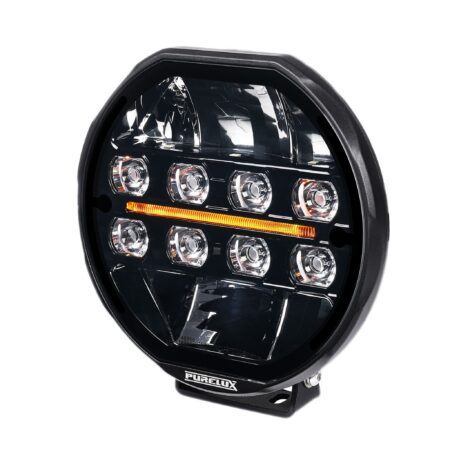
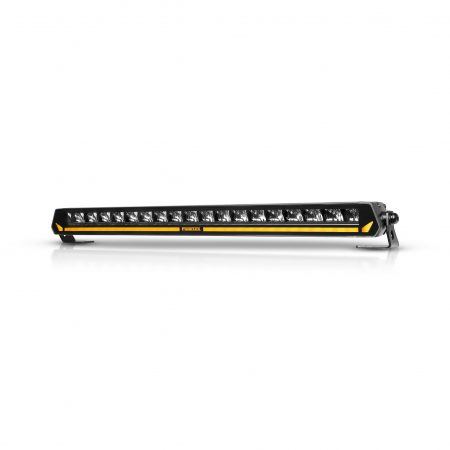
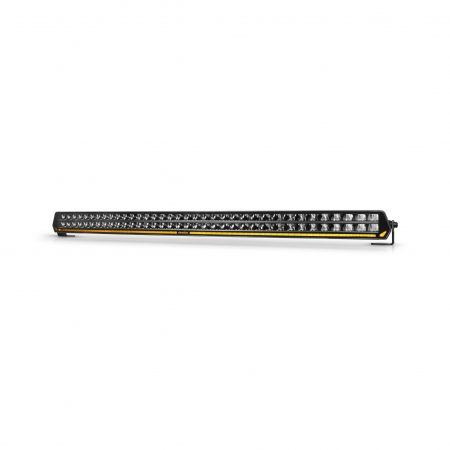
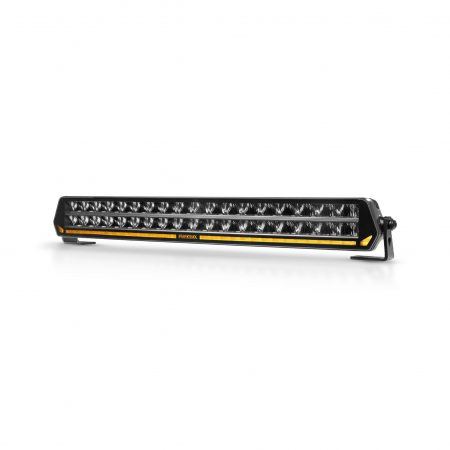
Mounting points for auxiliary and position lights are a practical requirement for trucks working in low-light or off-road conditions. Integrated light mounts keep wiring tidy and the lights positioned correctly. You can browse compatible auxiliary lights for heavy trucks.
Ground clearance and bottom tube height affect day-to-day usability. A lower bottom tube suits road-going regional work where approach angle is not a concern. A higher bottom tube suits rougher surfaces such as timber roads, where ground clearance matters.
Frequently asked questions
How much does a bull bar weigh?
Bull bar weight depends on the material, tube dimensions, overall size, and integrated features of the specific bar. There is no single answer that applies to all bull bars. The reliable figure is the weight stated in the manufacturer’s product specification for the exact bar and truck model you are considering.
Is a steel bull bar heavier than an aluminium one?
Yes. Steel has a density of approximately 7.9 g/cm³ compared with approximately 2.7 g/cm³ for aluminium, so a steel bar built to the same design will be substantially heavier. Steel bars are generally stronger and more durable; stainless steel also resists corrosion without a protective coating.
Does a bull bar add weight to the front axle only?
No. Because the bar sits ahead of the front axle, it increases the front axle load by more than its own weight and slightly reduces the rear axle load. The total vehicle weight rises by the weight of the bar, but the distribution between axles changes according to the lever principle described above.
How do I find the weight of a specific bull bar?
Check the product specification sheet from the manufacturer or supplier. If the weight is not published, ask the supplier directly before ordering. For RST-Steel bull bars, the truck model and bumper type must be stated when ordering, so contact RST-Steel with your truck details to get the correct specification.
Find a bull bar for your truck
Browse stainless steel bull bars made for specific truck models — including Volvo, Scania, Mercedes-Benz, DAF, MAN, and Renault — at rst-steel.com/product-category/bull-bars/. To get the specification for the bar that fits your truck, request a quote from RST-Steel.