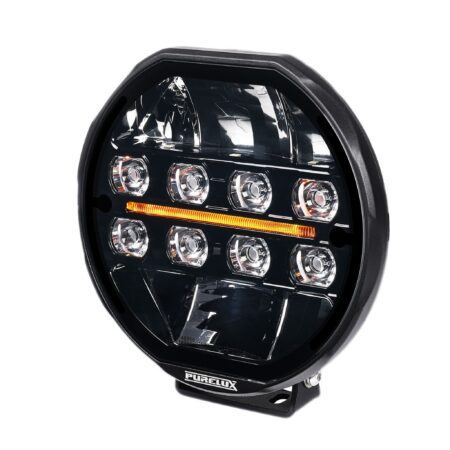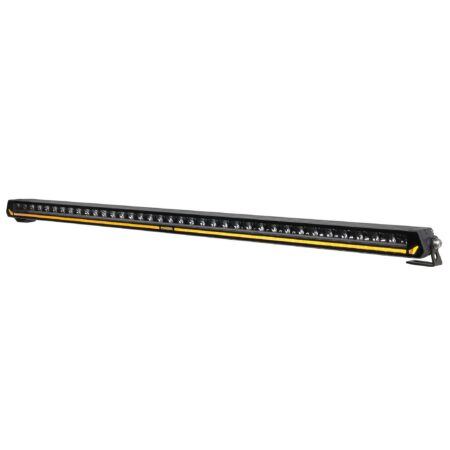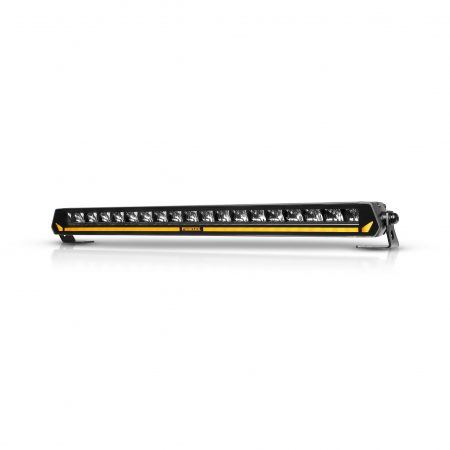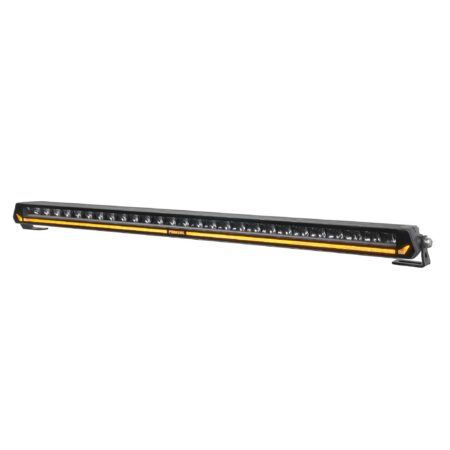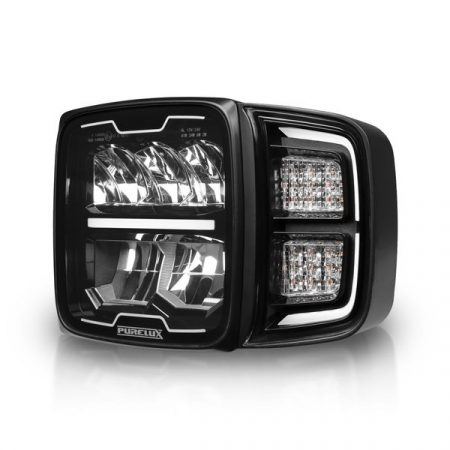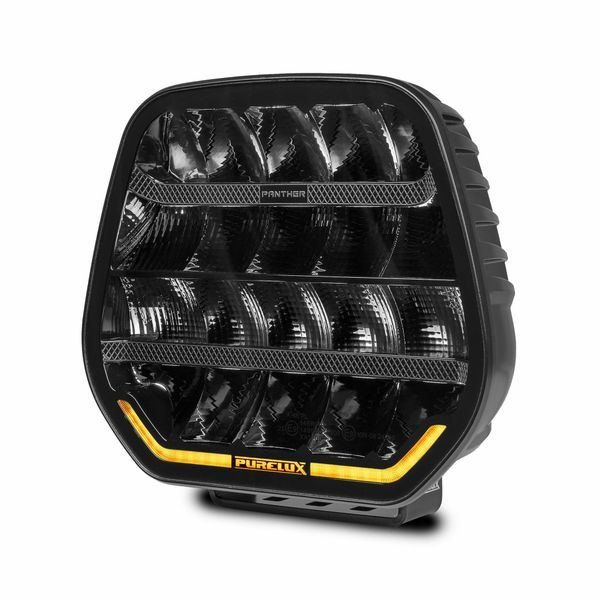
Lazer Lamps produces a broad range of auxiliary LED driving lights, and the differences between models go well beyond output numbers. Beam geometry, housing format, ingress protection rating, and mounting method all vary significantly across the range. Choosing the right Lazer Lamps model means understanding what each product family is actually engineered to do, not just comparing lumen figures on a spec sheet.
RST-Steel is the official importer of Lazer Lamps for the Nordic market, stocking the full current range and providing technical advice for both individual operators and fleet buyers. This overview covers the six product families in the 2026 range and how to match them to your vehicle and operating conditions.
How Lazer Lamps organise their product range
Lazer structures its range into six distinct product families: AIR, Linear, Triple-R, RP, Sentinel, and ST/T. Each family is built around a specific application profile rather than simply a size or output tier. Understanding the logic behind that structure makes model selection considerably more straightforward.
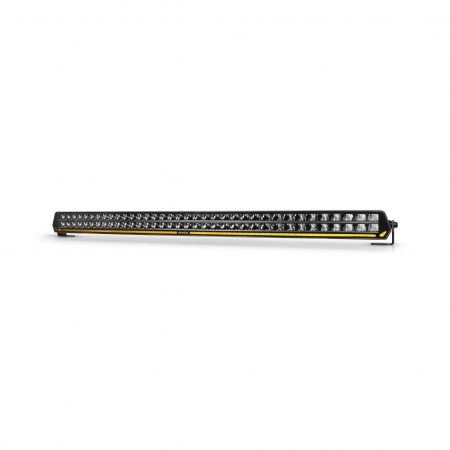
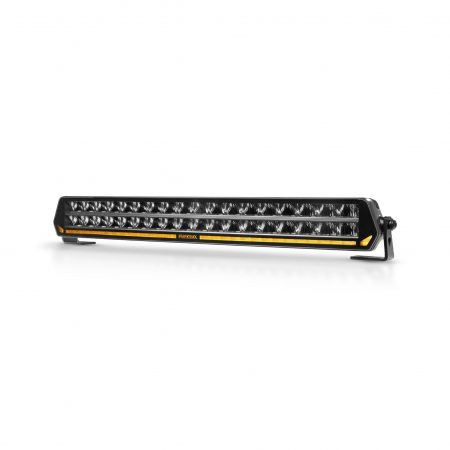
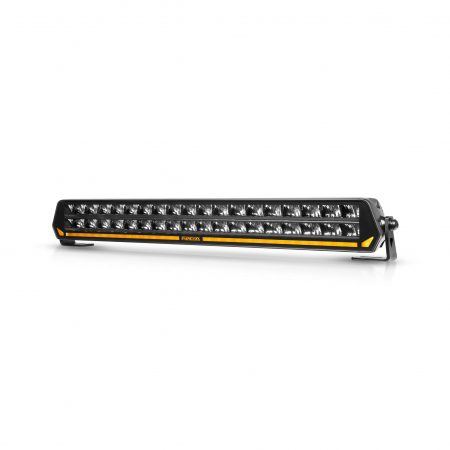
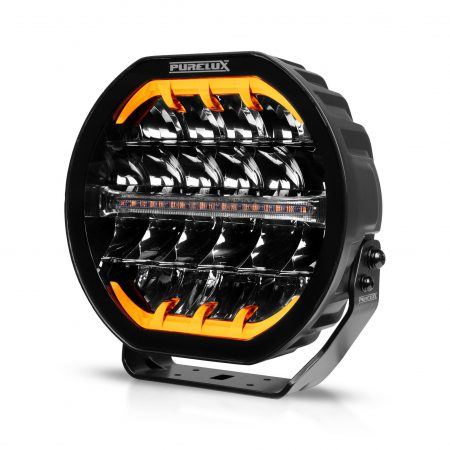
The Linear series covers slim horizontal LED bar formats, available in Linear 6, Linear 12, Linear 18, and Linear 36 configurations. The number refers to LED modules, so output and physical length scale together. The Linear Elite 18 is the premium variant within that family, offering higher output than the standard version. The Triple-R series covers round driving lights in 750, 850, and 1000 configurations with progressively increasing output. The RP series, which includes the RP Spot and RP Hyperspot, focuses on concentrated long-range beam performance in a compact housing. The Sentinel is designed for SUVs and light commercial vehicles, combining spot and fill in a single unit. The ST/T series handles integration and work light applications, including the ST Evolution for grille-mounted OEM-style fitment and the T-Series for heavy machinery. AIR is a roof-mount format engineered to minimise wind noise and aerodynamic drag at highway speeds.
Key differences between the most popular Lazer Lamps models
The most common point of confusion when comparing Lazer models is treating output as the primary differentiator. In practice, beam geometry matters as much as raw output for real-world driving performance.
Linear vs Triple-R
The Linear series prioritises road width over extreme forward range. The beam spreads across the full width of the road and verge at distance, which suits rural road driving where peripheral visibility is as important as straight-line reach. This makes Linear the natural choice for roof bar mounting on trucks that cover mixed rural routes. The Triple-R, by contrast, delivers a focused long-range spot beam. For trucks covering unlit highways and rural roads at speed, the Triple-R provides forward range that standard auxiliary lights cannot match. The two formats are complementary rather than interchangeable.
RP Hyperspot and Sentinel
The RP Hyperspot represents Lazer’s most concentrated beam option. It is built for drivers who regularly operate on unlit routes at speed and need maximum effective distance from a compact housing. The Sentinel takes a different approach: it provides both long-range spot and peripheral fill from a single compact unit, making it well suited to SUVs and light commercial vehicles where mounting space is limited and versatility matters more than maximum range.
ST Evolution and T-Series
The ST Evolution is designed for grille integration on specific newer truck and van models, including the Mercedes-Benz Sprinter, where RST-Steel stocks vehicle-specific grille kits. It fits within the vehicle’s existing front geometry rather than adding external hardware. The T-Series is built for tractors, excavators, and forestry machines, carrying an IP69K ingress protection rating. That means it is fully sealed against high-pressure water, making it suitable for agricultural washdown environments where standard auxiliary lights would not survive.
Matching a Lazer Lamps model to your vehicle and use case
The right model depends on three factors: the vehicle type, the primary operating environment, and how the light will be mounted. These three variables narrow the field quickly.
For long-haul trucks covering unlit Nordic roads, a combination of Linear bars on the roof bar and Triple-R units lower on the front structure covers both road width and forward range. For light commercial vehicles and SUVs with limited mounting options, the Sentinel handles both functions in a single unit. For operators on unlit routes at sustained speed, the RP Hyperspot delivers the longest effective beam distance available in a compact format. For agricultural and forestry machinery, the T-Series is the only appropriate choice given the washdown exposure those environments involve. For vehicles where external light housings are not acceptable, the ST Evolution integrates cleanly into the grille on supported models.
Beyond individual lights, Lazer produces vehicle-specific integration kits that pair a matched set of lights with a precision-fit mounting bracket for particular vehicle models. These remove the need for custom bracket fabrication and ensure correct positioning relative to the vehicle’s cooling geometry and headlight pattern. For fleet operators fitting the same model across multiple vehicles, these kits also standardise installation time and outcome.
Professional installation and sourcing in Finland
Auxiliary lighting installed incorrectly creates two practical problems: beam alignment that does not match the vehicle’s headlight pattern, and mounting that fails under vibration. Both reduce the value of the investment significantly. Professional installation ensures neither issue occurs.
RST-Steel handles sourcing and installation of the full Lazer Lamps range through its locations in Pirkkala and Kempele, with installation carried out by the same team that works with the products daily. Buying through RST-Steel as the authorised Nordic importer also means full manufacturer warranty support, which is not guaranteed when purchasing through grey-market channels. For operators who want to discuss which model fits their specific vehicle and route conditions, the RST-Steel contact page is the starting point.
Nordic road traffic legislation governs when and how auxiliary driving lights may be used on public roads, with rules varying between Finland, Sweden, and Norway. Confirming compliance with the relevant national authority before installation is the operator’s responsibility, and a professional installer familiar with the regional requirements can advise on positioning and switching arrangements that meet those standards.