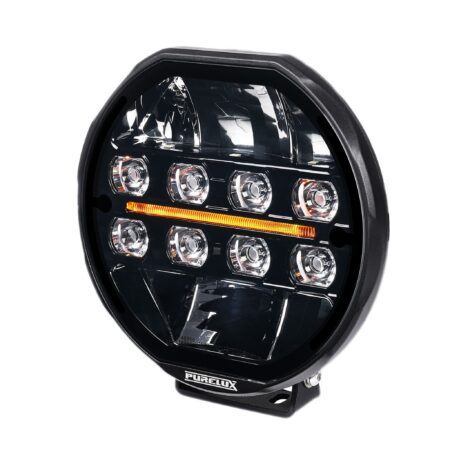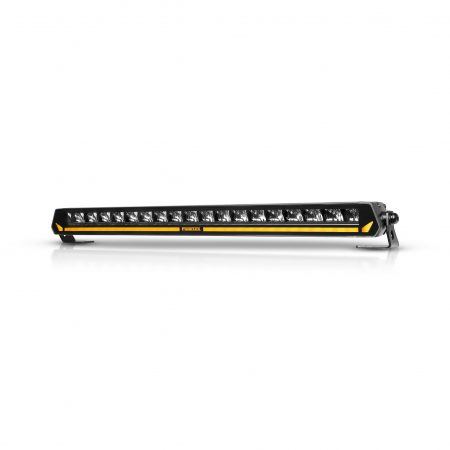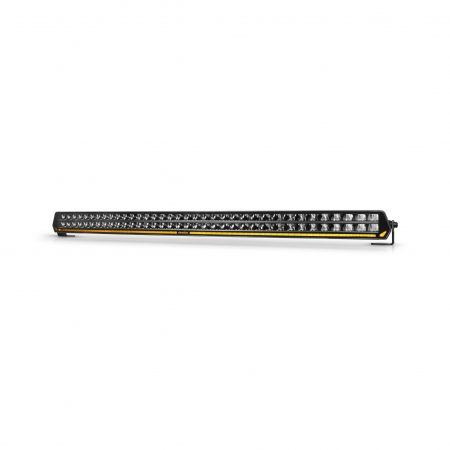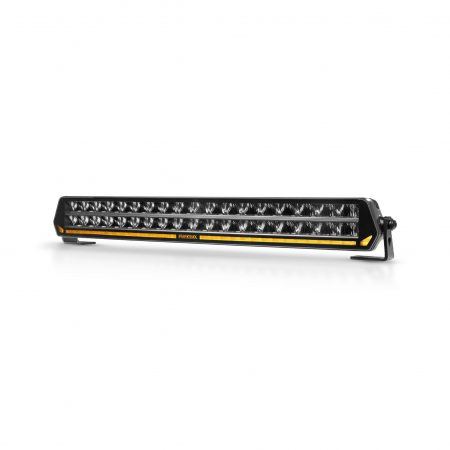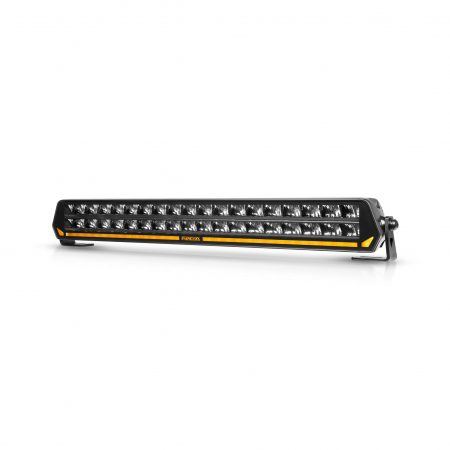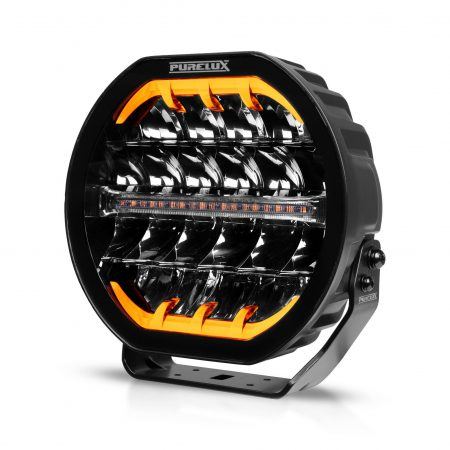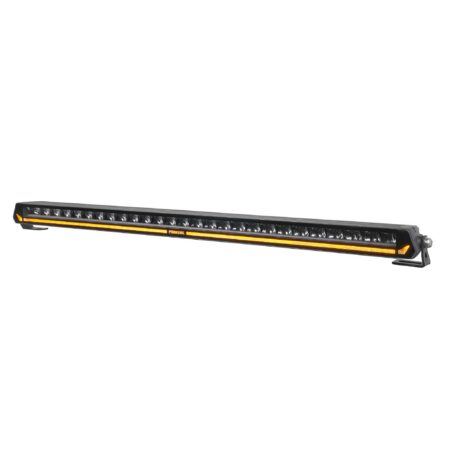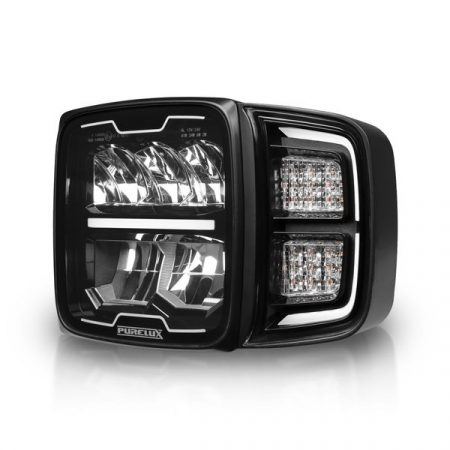
Adding auxiliary lights to a bull bar is one of the most practical upgrades a professional truck operator can make, particularly on Nordic roads where darkness and poor visibility are routine hazards for much of the year. Done correctly, a bull bar lighting setup delivers well-positioned, high-output illumination that integrates cleanly with the vehicle. Done carelessly, it creates electrical problems, legal exposure, and mounting failures that defeat the purpose entirely. These are the checks worth making before the first bracket goes on.
Bull Bar Load Ratings and Mounting Point Specs
A bull bar is a structural component, and its mounting points are engineered to carry specific loads. Adding auxiliary lights introduces both static weight and dynamic stress from vibration, wind resistance, and road shock. Before selecting lights or brackets, confirm that the bull bar’s mounting points are rated to carry the combined load of the lights intended for that position.
On road-approved bull bars, the light brackets are part of the type-approved design, which means the mounting geometry, load capacity, and structural integrity have been assessed as part of the approval process. RST-Steel states that additional light brackets on its approved models also carry official road traffic approval. On non-approved bars, there is no such assurance, and the installer carries full responsibility for the structural adequacy of any mounting solution.
Pay particular attention to the tube diameter and wall thickness at each intended mounting point. Thin-walled tubing can deform under clamp pressure, especially in cold temperatures when steel contracts. Stainless steel construction, such as the AISI 304 used in RST-Steel’s bull bars, maintains dimensional stability and resists the corrosion that can weaken mounting points over time on painted mild steel alternatives.
Bracket Compatibility and Light Positioning
Bracket compatibility is not just about whether a clamp fits the tube diameter. It also determines whether the light ends up in a position that is useful, legal, and free from obstructions.
Position the lights so the beam pattern serves its intended purpose. Driving lights mounted too low will be masked by road spray and snow accumulation. Lights mounted too high may exceed legal height limits or create glare for oncoming traffic. The horizontal position matters too: lights placed too far outboard can be vulnerable to side impacts from vegetation or passing vehicles, while lights mounted too close to the centreline may create a narrow, tunnel-like beam spread that misses the road edges.
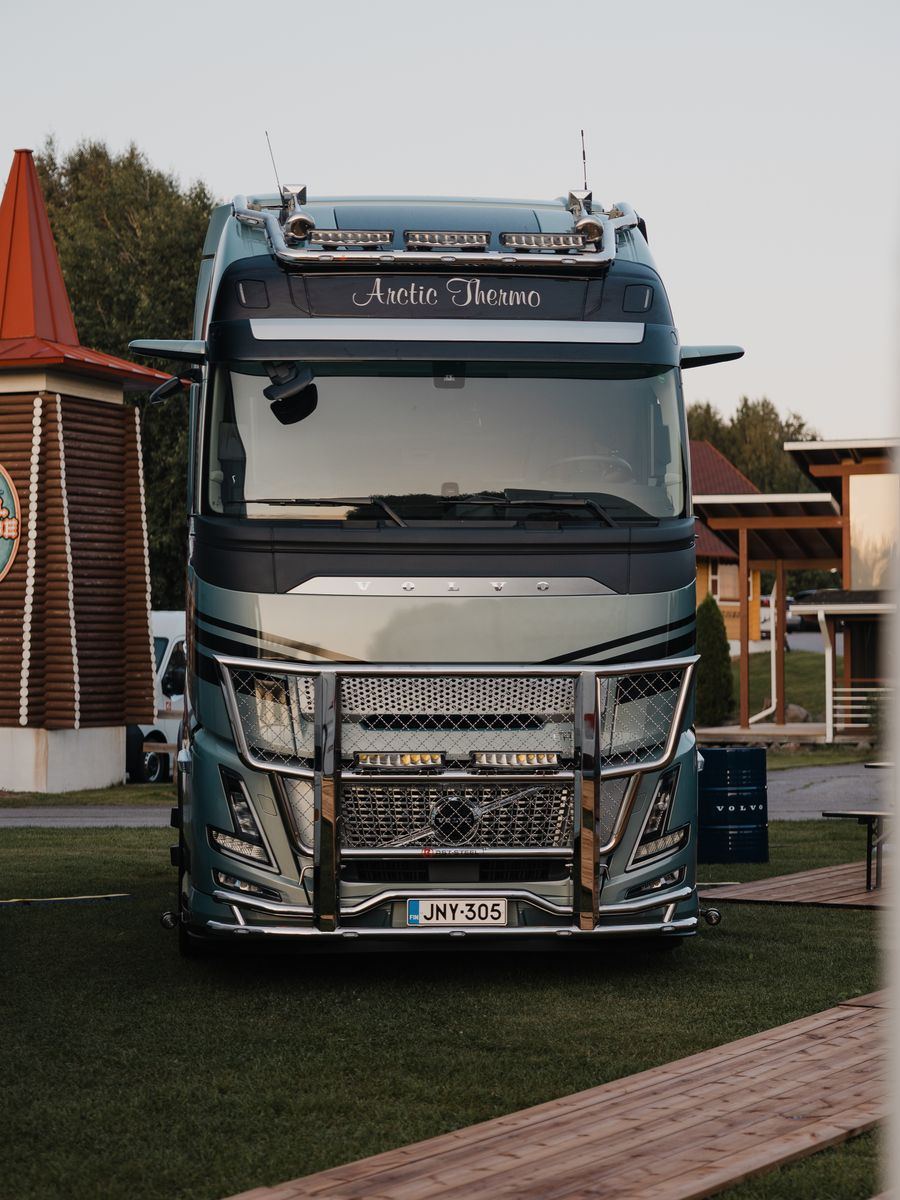
When fitting auxiliary lights to a bull bar designed for a specific truck model, the bracket positions are typically pre-determined by the bar’s design. This removes much of the guesswork. On custom or universal bars, each mounting position requires individual assessment for beam angle, vibration exposure, and clearance from the cab, grille, and any moving components such as tow hooks or service access panels. Some RST-Steel bull bar models, such as the Freeway V13 for the Volvo FM, are designed so the front grille can be opened and the cab tilted with the bar in place, which affects where lights can be positioned without blocking access.
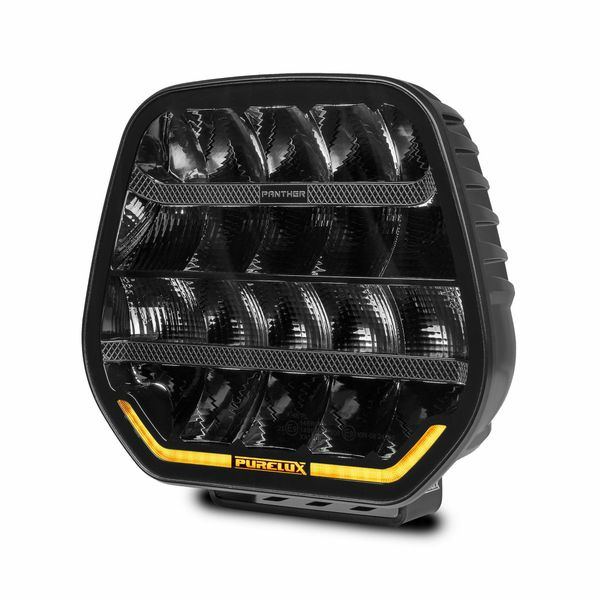
Check available light brackets and mounting accessories to confirm they are matched to both the bar tube diameter and the light housing being fitted.
Wiring Routing and Electrical Load Considerations
Electrical planning is where many auxiliary lighting installations run into trouble. The wiring must handle the full current draw of the lights without voltage drop, heat buildup, or interference with the vehicle’s existing electrical systems.
Calculate the total current draw before selecting cable cross-section. High-output LED auxiliary lights are far more efficient than halogen equivalents, but multiple units on a single circuit still require appropriately rated wiring, fusing, and relay switching. A relay should always be used to switch high-current loads, keeping the control signal current low at the cab switch and protecting the vehicle’s switch circuits from overload.
Route cables away from heat sources, moving parts, and sharp edges. On a bull bar, this typically means running cables inside or along the bar’s structure where possible, securing them at regular intervals with appropriate clips or ties, and using grommets wherever cables pass through metal. Exposed cables on the front of a truck face road grit, stone chips, salt spray, and temperature cycling across a wide range. Any weakness in the routing or protection will show up quickly in Nordic operating conditions.
Connect to a dedicated fused circuit rather than tapping into an existing circuit that is already near its rated capacity. If the vehicle has a pre-wired auxiliary lighting circuit, verify its rated capacity before adding load. Overloaded circuits cause fuses to blow repeatedly or, in the worst case, cause wiring damage that is difficult to trace and expensive to repair.
Legal Requirements for Auxiliary Lights in Finland
Nordic road traffic legislation governs both the type of auxiliary lights that may be fitted and the conditions under which they can be used. The rules vary between countries, so operators working across borders in Finland, Sweden, and Norway should verify the requirements in each jurisdiction rather than assuming a single standard applies everywhere.
In general terms, driving lights and fog lights must be type-approved for road use. Work lights, which are designed for stationary use during loading, unloading, or site operations, are not permitted for use while driving on public roads in the Nordic countries. Fitting work lights in a position that suggests they are driving lights, or wiring them to a switch that does not prevent use while moving, creates legal and insurance liability.
The bull bar itself is also subject to regulation. Rigid, non-approved bull bars can increase injury risk to pedestrians and cyclists, which is why road approval matters beyond just the vehicle inspection. RST-Steel’s LegalPro models comply with EU Directive 92/114/EEC and ECE Regulation No. 61, as well as the Swedish Transport Agency’s TSFS 2017:10, and may be used legally in all EU countries and Norway. A road-approved bull bar may remain installed during periodic vehicle inspections, which simplifies compliance for operators running regular inspection schedules.
Common Installation Mistakes That Affect Performance
The most common installation problems are predictable and avoidable. Understanding them before starting the work saves time, money, and the frustration of a lighting setup that fails to deliver what it should.
Undertorqued or overtorqued fasteners
Mounting bolts that are not torqued to specification will either work loose under vibration or, if overtorqued, will strip threads or crack brackets. On stainless steel fasteners, galling is a real risk if threads are not lubricated and torqued carefully. Use the correct torque values from the installation instructions supplied with the bar, and check fasteners after the first few hundred kilometres of use.
Inadequate earthing
A poor earth connection is the single most common cause of auxiliary light problems. Lights that flicker, dim, or fail to reach full output almost always have an earthing fault rather than a supply fault. Earth the lights directly to the vehicle chassis at a clean, unpainted contact point, and use a cable cross-section at least equal to the supply cable.
Ignoring beam alignment after installation
Even correctly positioned brackets do not guarantee correct beam alignment. Adjust each light’s vertical and horizontal aim after installation, ideally against a wall at a measured distance, before the vehicle goes back into service. Misaligned driving lights either waste their output into the sky or create glare for oncoming traffic, both of which defeat the purpose of fitting them.
Fitting lights that conflict with the bar’s type approval
On a road-approved bull bar, fitting lights or brackets outside the approved configuration can affect the bar’s compliance status. RST-Steel’s approved bars include approved light bracket positions as part of the type approval, so using the specified bracket positions and fitting type-approved lights preserves that compliance. Improvised solutions that deviate from the approved design introduce uncertainty that is difficult to resolve at a roadside check or vehicle inspection.
For operators sourcing a bull bar with integrated light mounting as part of a complete setup, the RST-Steel bull bar range covers Volvo, Scania, Mercedes-Benz, DAF, MAN, and Renault heavy trucks. See the relevant brand page for the full model list, or request a quote for a specific cab and model year.