Search queries for “excavator counterweight supplier” often lead buyers to expect cast iron ballast blocks — the structural counterweight that OEMs like Caterpillar, Komatsu, and Volvo supply as part of the machine itself. RST-Steel does not manufacture or supply those components. If that is what you are searching for, this is not the right page. What RST-Steel produces is a steel mounting bracket that attaches to the existing counterweight block, providing a structured platform for LED work lights. Understanding this distinction matters before reading further: this article covers counterweight bars for excavators in the sense of light bar mounting frames, not the ballast weight itself.
This is a niche product with a specific purpose. Construction companies and contractors running excavators on sites with HSE requirements for illuminated work zones — night road works, urban utility projects, Nordic winter shifts — are the primary audience. The counterweight bar solves a specific problem: getting work lights into the rear blind zone of the machine, where standard cab-mounted lighting does not reach.
Why Excavators Need Rear-Facing Work Lights
An excavator’s cab faces forward during digging operations. The rear counterweight block — the heavy tail section of the superstructure — covers the operator’s blind zone when the machine reverses or rotates. This blind zone is a documented hazard on construction sites, particularly when ground personnel are working nearby or when the machine repositions across a live traffic area.
Excavators work in environments where darkness affects both safety and productivity: road construction at night, urban utility work, tunnelling preparation, foundation work, and autumn and winter shift work on Nordic construction sites. Work lights mounted on the counterweight directly address this. They illuminate the area behind the machine during reversing, the side of the machine during superstructure rotation, and the immediate work zone when the excavator is repositioning. On many Nordic construction projects, illuminated work zones are not optional — they are an HSE requirement for night shifts and low-visibility conditions. A counterweight bar provides the mounting structure that makes this lighting possible without improvised brackets or cable-tie solutions that fail under vibration and pressure washing.
The counterweight bar itself does not alter the machine’s balance or tail swing radius. It is designed to clear the counterweight profile so that machine operation is unaffected. The structural benefit is indirect: by enabling proper rear illumination, it reduces the likelihood of reversing incidents that cause equipment damage, site downtime, and injury.
Key Features to Look for in a Counterweight Bar
Not all mounting brackets are built to the same standard, and excavator environments are demanding. The key features worth evaluating are material construction, compatibility with the specific machine profile, and the lighting specification of the work lights the bar is designed to carry.
Steel Construction and Surface Treatment
A counterweight bar needs to withstand regular pressure washing, road salt, mud, and the constant vibration of excavator operation. Steel construction with appropriate surface treatment is the baseline. Brackets made from thinner-gauge material or with inadequate coating will corrode at mounting points and fail at weld joints, both of which are difficult to inspect once the bar is installed and lights are wired in.
Work Light Specification
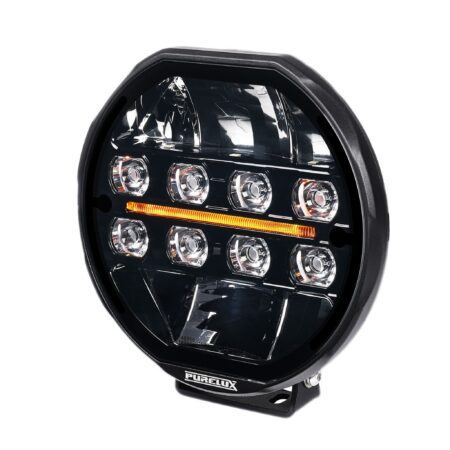
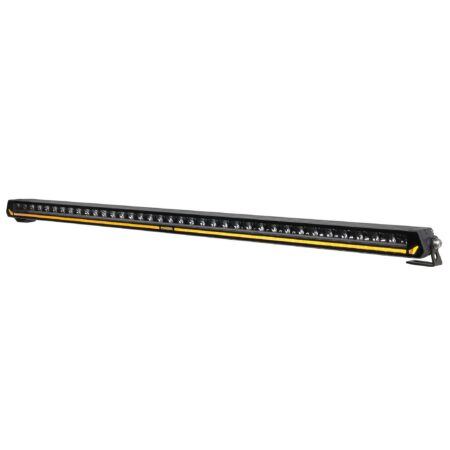
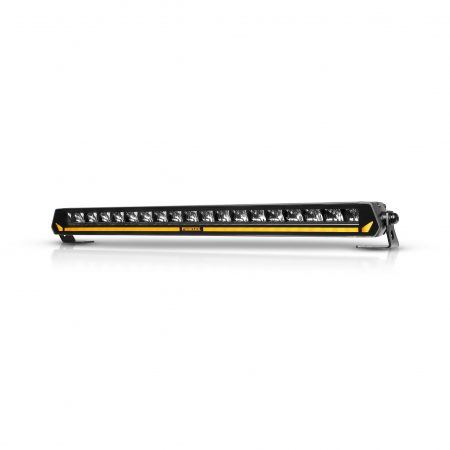
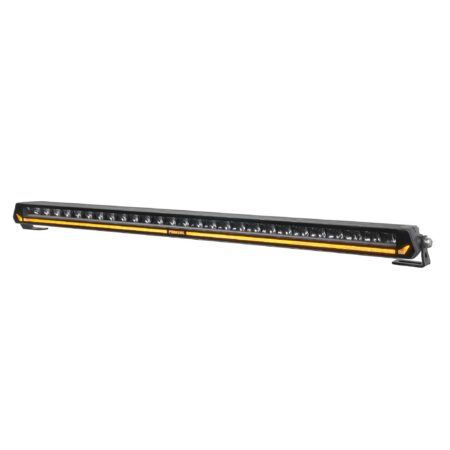
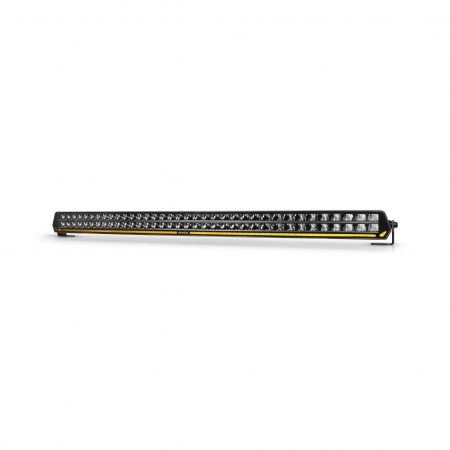
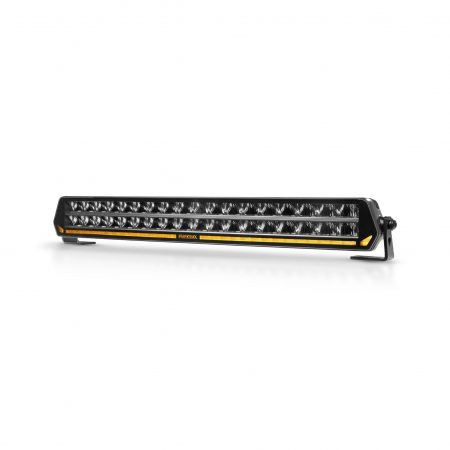
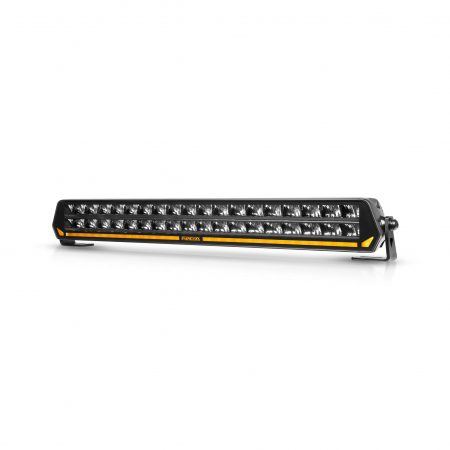
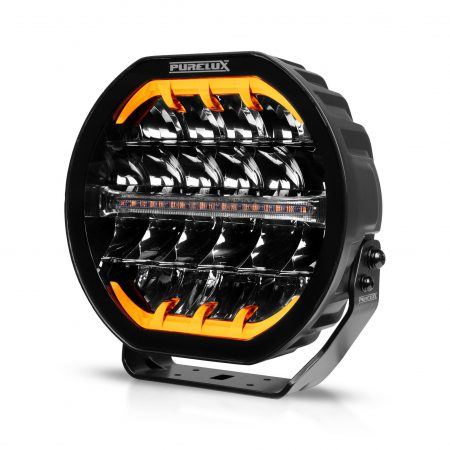
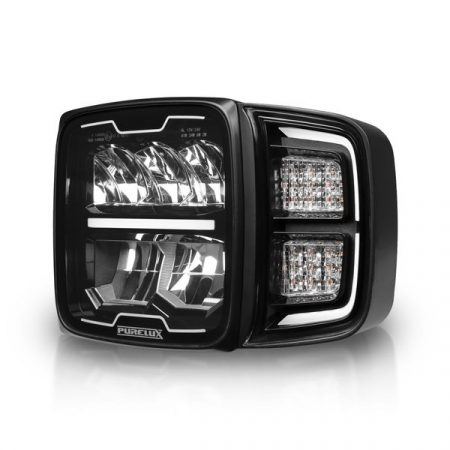
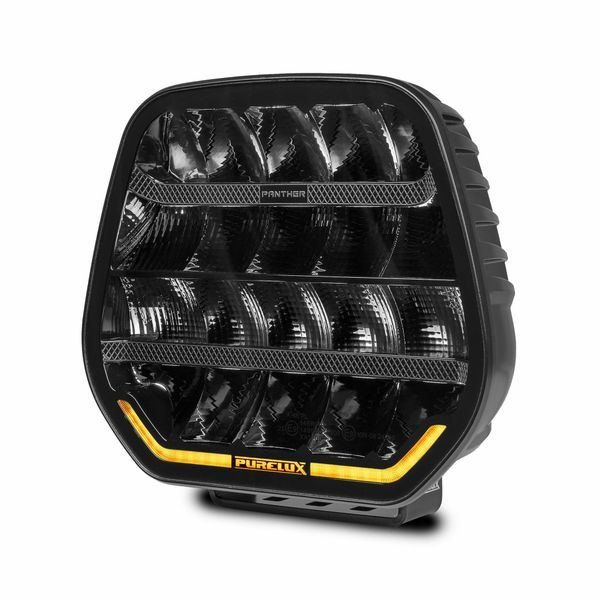
The bar is only as useful as the lights it carries. For excavator applications, IP69K-rated work lights are the relevant standard — fully sealed against high-pressure, high-temperature water, which matches the conditions of regular pressure washing on construction and quarry machines. RST-Steel’s counterweight bars are designed to carry Lazer T-Series work lights, which meet IP69K and are built to handle the shock and vibration loads of excavator operation. Lens and housing failure under vibration is a common failure point with lower-specification lights, and it is worth factoring into the total cost of any installation.
Mounting Design
The bar must bolt cleanly onto the existing counterweight block without modification to the machine. Counterweight profiles vary between brands and model series, so a bracket designed for a Caterpillar NextGen 315 will not necessarily fit a Komatsu PC210 or a Doosan DX225. Model-specific design is not a marketing distinction — it is a functional requirement.
Compatible Excavator Models and Available Configurations
RST-Steel’s counterweight bars for excavators are structured by brand and model to guide selection. The range is focused on the excavator brands most common in Nordic construction: Caterpillar, Komatsu, Doosan, Hitachi, JCB, and Volvo. A confirmed model in the current range is the Caterpillar NextGen 315 counterweight bar.
The counterweight bar is one of three mounting positions in RST-Steel’s excavator accessory range. The full picture looks like this:
- Counterweight bars (rear-mounted): Provide rear and side illumination. Address the blind zone behind the superstructure during reversing and rotation.
- Roof bars for excavators: Mounted on the cab roof, providing forward and overhead illumination. This is the primary position for general site work light coverage. Models covered include Doosan LCR series, Caterpillar, Komatsu, Hitachi, JCB (including JCB fast-track), and Volvo excavators.
- Side bars for excavators: Lateral mounting on the superstructure body. Used when the machine works in trenching or confined site conditions where the counterweight position does not provide adequate lateral coverage.
For operators equipping a machine for demanding site conditions, combining roof bar and counterweight bar coverage gives 360-degree illumination of the machine’s working envelope. The right configuration depends on the specific tasks the machine performs and the site’s HSE requirements.
For less common models or recent platform updates, the product range may not yet list a direct match. RST-Steel can confirm compatibility. The key information to have ready is the excavator brand, model series, and year — since cab geometry and counterweight profile vary between generations of the same platform.
Professional Installation and Long-Term Maintenance
A counterweight bar installation involves more than bolting a bracket in place. Wiring work lights into the machine’s electrical system, routing cables to avoid pinch points and heat sources, and sealing connections against moisture are all part of a complete installation. Poorly routed cables on a machine that rotates its superstructure continuously will fail within a season.
RST-Steel handles installation at its service locations in Pirkkala and Kempele. For operators outside those areas, the product is designed for straightforward fitting by a qualified mechanic familiar with the machine, but electrical work should be carried out by someone with the relevant competence — not because the wiring is complex, but because a failed connection on a work light is a fault that tends to be discovered on a dark site in poor weather.
Long-term maintenance for a counterweight bar installation is minimal if the initial work is done correctly. Inspecting mounting bolts for torque after the first season of use, checking cable routing at the points where the superstructure rotates, and verifying that light housings remain sealed are the relevant checks. Lazer T-Series lights do not require lamp replacement in the way traditional halogen work lights do — LED output degrades slowly over time rather than failing suddenly, which reduces unplanned downtime on site.
For operators looking to equip a full machine or explore the broader range of work machine accessories, RST-Steel’s product range covers excavators alongside other construction and forestry equipment. Contact RST-Steel directly to confirm compatibility for a specific model or to discuss a complete lighting setup for your machine.