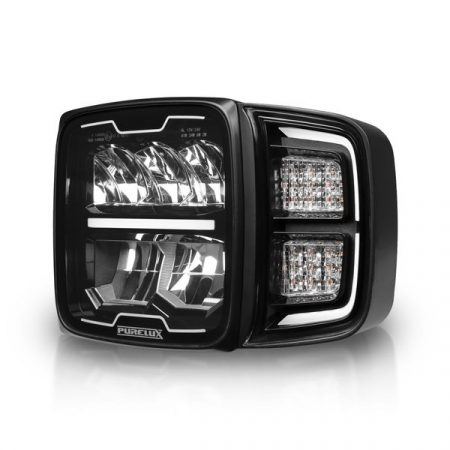
Safe installation of auxiliary lights in a vehicle requires careful planning, the right tools, and adherence to electrical safety. The most important factors are ensuring that connections are made properly with relays and fuses, that mounts are strong and waterproof, and that all regulations are followed. Using high-quality components and professional installation ensures the best results and safety.
Why proper installation of auxiliary lights is important for safety
Incorrectly installed auxiliary lights can pose serious safety risks for both the driver and other road users. Improper installation can lead to electrical fires, damage to the vehicle’s electrical system, or lights detaching while driving.
Insufficient electrical connections can overload the vehicle’s original wiring, which in the worst case can cause a fire. Poorly mounted lights can come loose and damage other vehicles or road users.
Legal requirements mandate that auxiliary lights be installed according to regulations. Improper installation can invalidate the vehicle’s insurance and cause problems during inspections. Lazer auxiliary lights require particularly careful installation due to their high performance.
What tools and materials are needed for auxiliary light installation
Safe installation requires the correct tools and quality electrical materials. Basic tools include screwdrivers, wrenches, a drill, hole saw, and a multimeter for electrical measurements.
Electrical materials needed include relays, fuses, wires, connectors, and insulation supplies. Wires must be suitable for automotive use and thick enough for the power of the lights. Mounts must be durable and compatible with the vehicle structure.
Safety equipment includes protective glasses, gloves, and, if necessary, a safety harness when working at height. Waterproofing materials are essential for outdoor installations.
How to safely connect auxiliary lights to the vehicle’s electrical system
Safe electrical connections start with installing a relay circuit to protect the vehicle’s original wiring from overload. The relay acts as a switch, controlling higher current through a separate circuit.
The connection begins by disconnecting the battery. The positive wire is connected to the battery’s positive terminal via a fuse sized according to the lights’ power. The control wire is connected to an appropriate circuit, such as the vehicle’s headlights.
Grounding is done carefully by attaching the ground wire firmly to a clean metal surface on the vehicle chassis. All connections are insulated with moisture-proof material and securely fastened. Finally, the system is tested to ensure all connections are functioning properly.
Common mistakes in auxiliary light installation
The most common mistake is bypassing the relay circuit and connecting the lights directly to the original wiring. This can overload the electrical system and cause damage.
Choosing incorrect mounting points can lead to lights detaching or damaging the vehicle structure. Weak mounts cannot withstand vibration and load.
Insufficient waterproofing allows moisture into the electrical connections, causing corrosion and malfunctions. Using incorrectly sized fuses does not adequately protect the circuit.
Neglecting legal requirements, such as incorrectly aimed lights or excessively bright auxiliary lights, can dazzle other drivers and result in fines.
Key safety guidelines for successful auxiliary light installation
Safe installation always follows electrical safety rules and legal requirements. The battery must be disconnected before starting work, and all connections must be made carefully.
Using high-quality components is essential for long-term operation. Relays, fuses, and wires should be selected according to the lights’ power. Mounts must be secure and waterproof.
Professional help is recommended if you lack experience with electrical work or the installation is complex. Installed lights require regular maintenance and inspection to ensure functionality.
Properly installed auxiliary lights significantly improve driving safety and provide reliable lighting for years. Careful installation and high-quality components ensure the best possible outcome.
Utforska vårt sortiment och kontakta oss för att hitta de extraljus som bäst motsvarar dina behov.


 Swedish
  English
  Norwegian