A bull bar reduces front-end damage by placing a rigid structural barrier between the vehicle’s vulnerable components and the point of impact. Rather than letting force transfer directly into the radiator, headlights, or chassis, the bar absorbs and redistributes that energy through its own frame. This article covers how bull bars work mechanically, which types offer the best protection, and what to look for when choosing one for a professional vehicle.
What is a bull bar and what is it actually designed to do?
A bull bar is a heavy-duty protective frame mounted to the front of a vehicle, designed to shield the radiator, headlights, and bumper from collision damage. Its core purpose is to intercept impact before it reaches critical components. Common use cases include wildlife strikes on rural roads, low-speed urban knocks, and road debris impacts on motorways.
That said, not all bull bars are built equally. Some are purely cosmetic, offering little genuine bull bar front-end protection beyond aesthetics. Functionally protective bars are engineered with load-bearing steel construction, proper mounting geometry, and sufficient material thickness to actually absorb impact forces. For professional drivers, fleet operators, and anyone covering high-mileage rural routes, the difference between a decorative bar and a structurally sound one is significant.
How does a bull bar physically reduce front-end damage in a collision?
A bull bar works by intercepting impact energy and distributing it across its own structure before it can reach the vehicle’s chassis or engine bay components. When a collision occurs, the bar’s steel frame deflects and spreads the load across multiple mounting points rather than concentrating force on a single vulnerable area like a headlight housing or plastic bumper.
The mounting points are critical here. A well-engineered bar bolts directly to the chassis rails, meaning impact forces travel into the vehicle’s strongest structural members rather than its fragile front-end trim. Material grade matters considerably in this process. Stainless steel offers an excellent strength-to-weight ratio and corrosion resistance, making it well suited to Nordic conditions. Mild steel is heavier but still protective when properly treated. Plastic or lightweight alloy bars, by contrast, may look similar but offer substantially less energy absorption in a real impact.
What types of bull bars are available and which offers the best protection?
Bull bars generally fall into three categories, each suited to different vehicles and use cases. Heavy-duty full-width bars like the Freeway provide maximum front coverage and are built for demanding conditions, making them the go-to choice for heavy trucks and vehicles operating in areas with frequent wildlife hazards. They offer the broadest protection footprint.
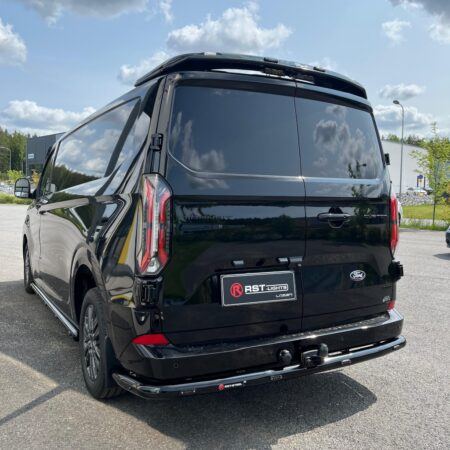
Mid-range model-specific bars like the Dakar are designed to fit particular vehicle makes closely, combining solid protection with a cleaner, more integrated appearance. These suit vans and SUVs where both function and professional presentation matter. Lightweight options like the Lite series offer basic vehicle front protection for lighter use, with less mass and a simpler profile. They work well for drivers who want some front-end protection without the bulk of a full heavy-duty bar.
Are bull bars road-legal and what approval requirements apply?
Not all bull bars sold on the market carry road traffic approval, and fitting an unapproved bar to a commercial vehicle can create legal and insurance complications. In Finland and across the EU, road-legal bull bars must meet specific type-approval requirements confirming they do not pose unacceptable risks to other road users or compromise the vehicle’s safety systems.
RST-Steel is the only Finnish manufacturer offering officially road-approved bull bars, including type-approved models for Volvo and Scania trucks. For fleet operators and professional drivers, verifying approval status before fitting a bar is essential. A road-approved bull bar gives you confidence that the product has been assessed against traffic safety standards, which matters both legally and practically when operating commercial vehicles on public roads.
What should you consider when choosing a bull bar for a professional vehicle?
Choosing the right bull bar comes down to matching the product to your vehicle type, operating environment, and compliance requirements. Start with vehicle compatibility. A bar that fits a specific chassis correctly will distribute impact forces far more effectively than a generic fit. For Nordic conditions specifically, stainless steel bull bars hold a clear advantage due to their resistance to salt, moisture, and temperature cycling.
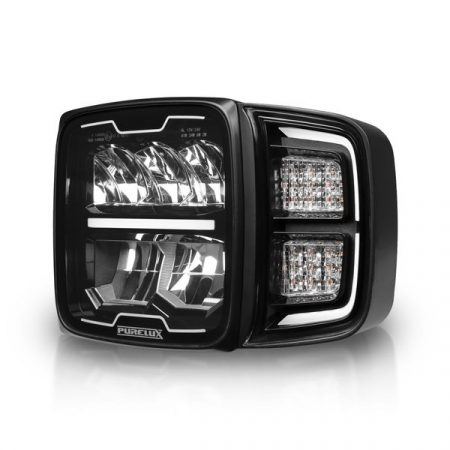
Road-legal certification should be non-negotiable for any vehicle used commercially. Beyond protection, consider whether the bar includes mounting provisions for auxiliary lighting. Many professional drivers combine a quality bull bar with work lights or driving lights, gaining both front-end protection and improved visibility in one installation. A complete setup, properly fitted, delivers genuine safety value rather than just visual presence.
If you’re specifying a bull bar for a truck, van, or SUV and want expert guidance on which model suits your vehicle and use case, get in touch with us. We manufacture, supply, and install bull bars across Finland, and we’re happy to help you find the right solution.

 Swedish
  English
  Norwegian